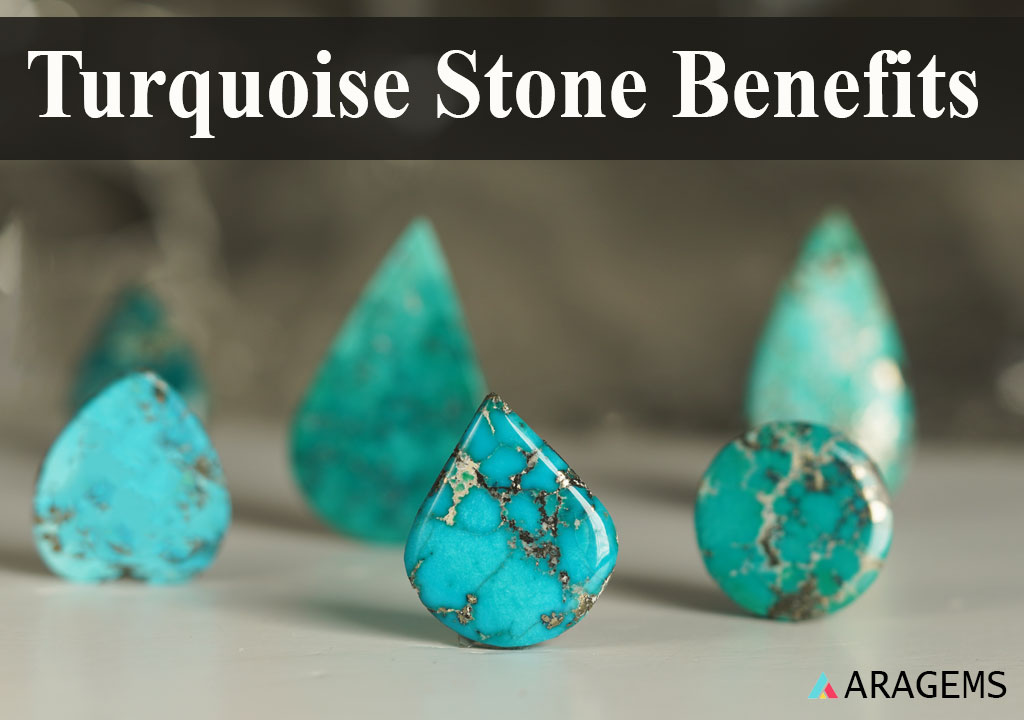
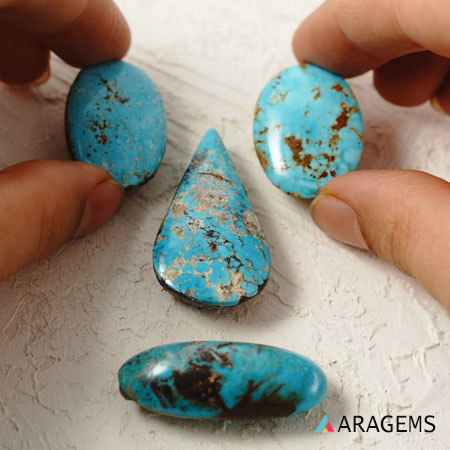
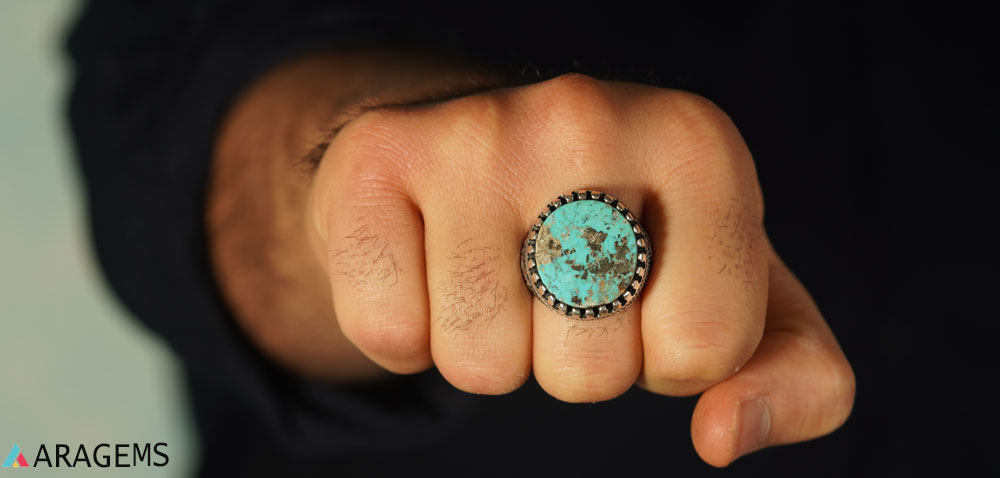
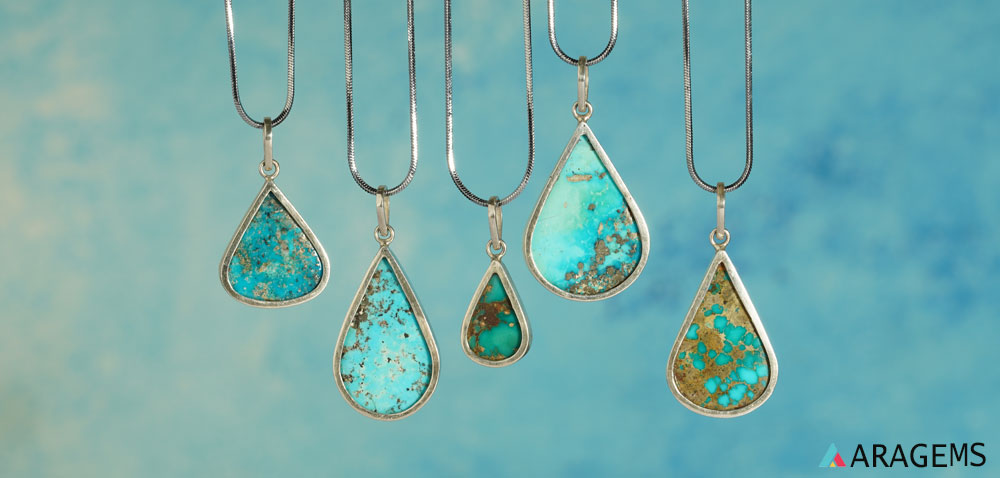
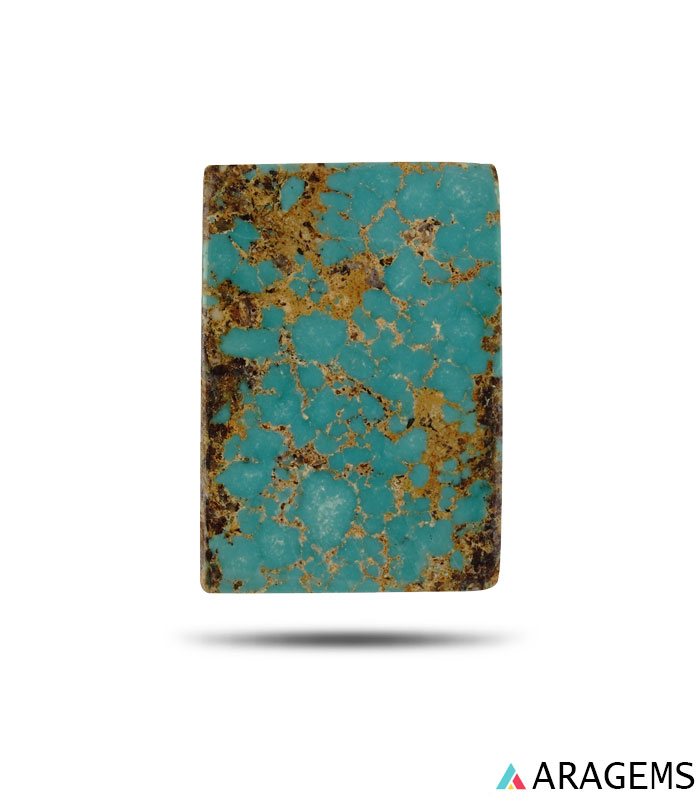
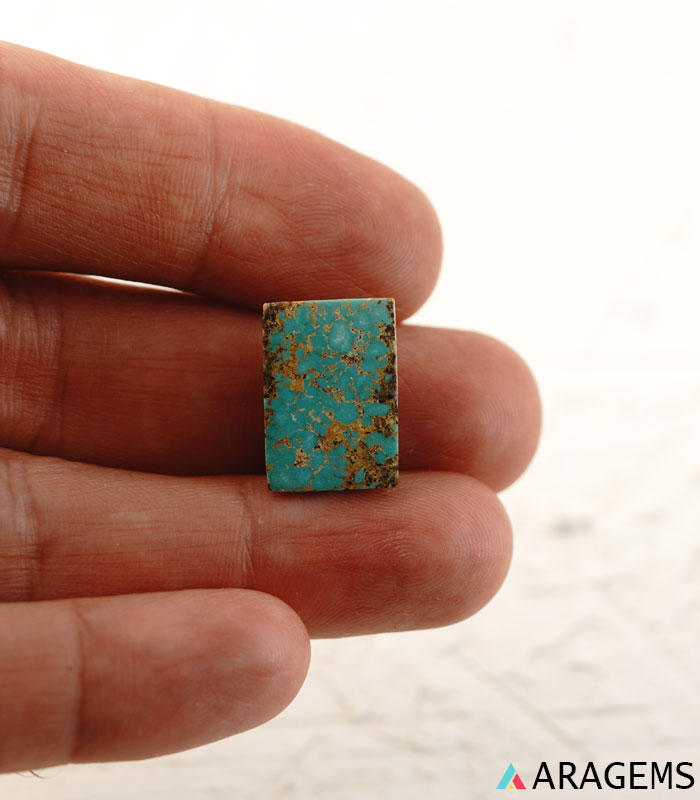
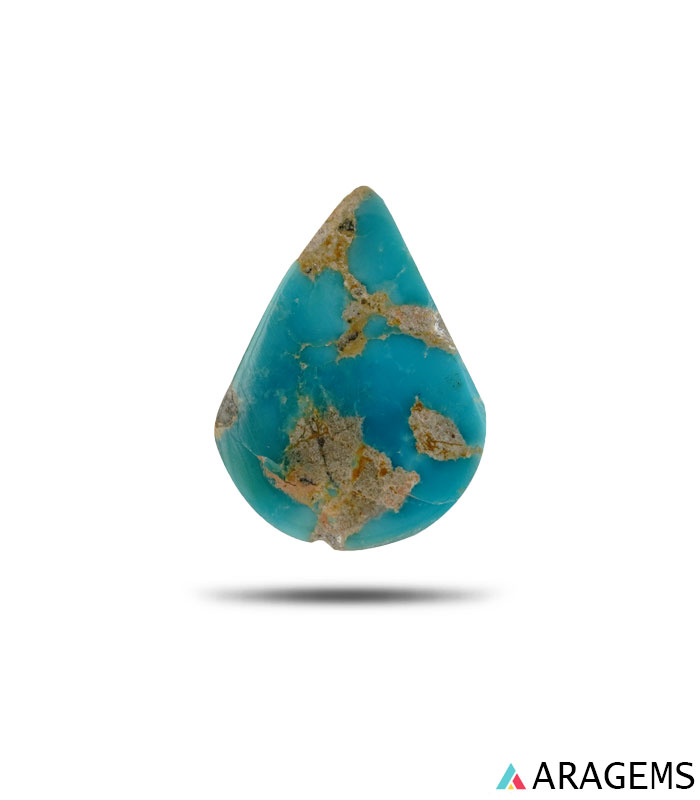
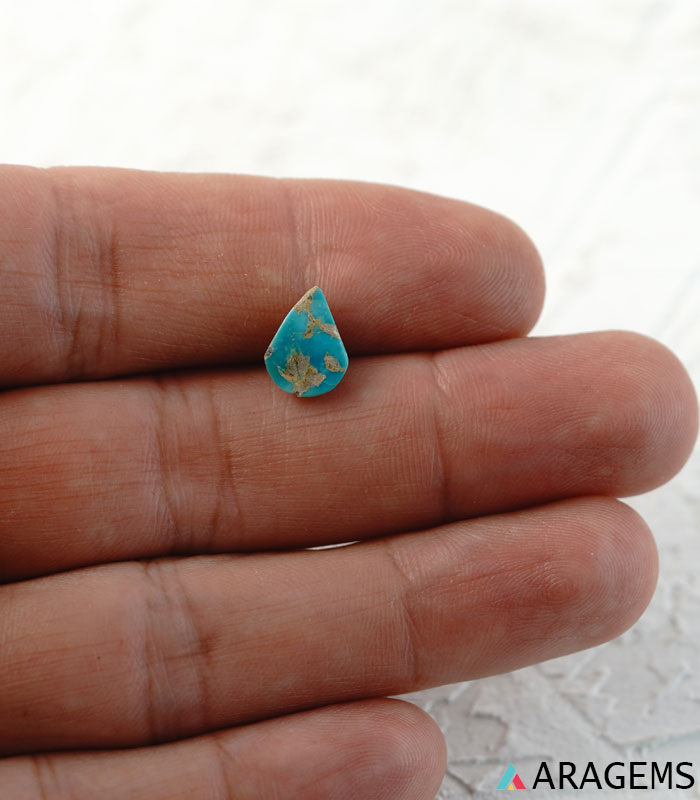
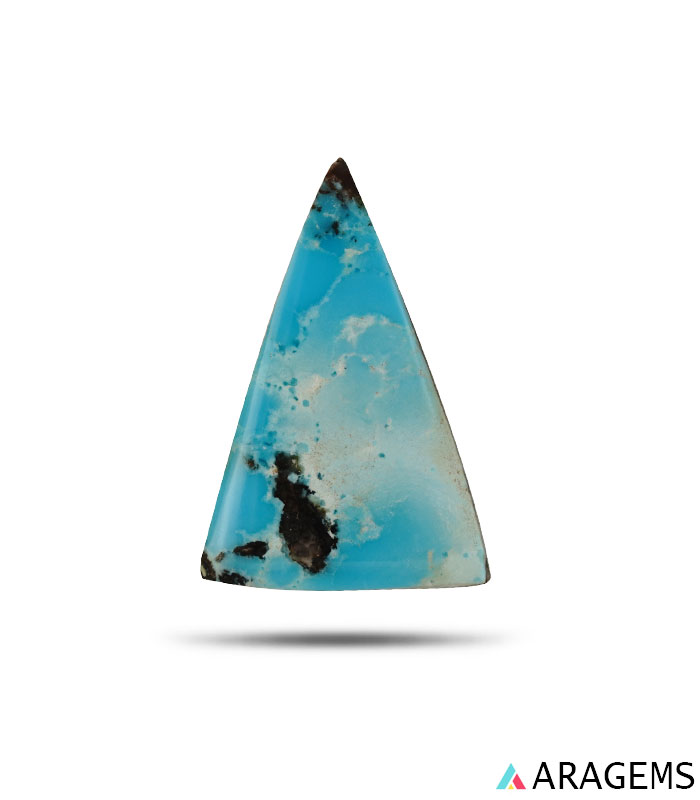
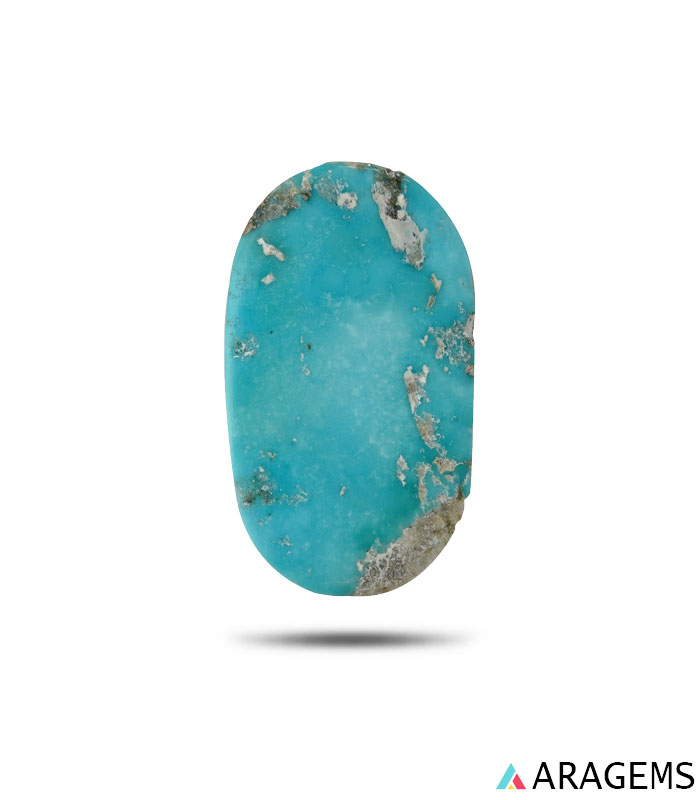
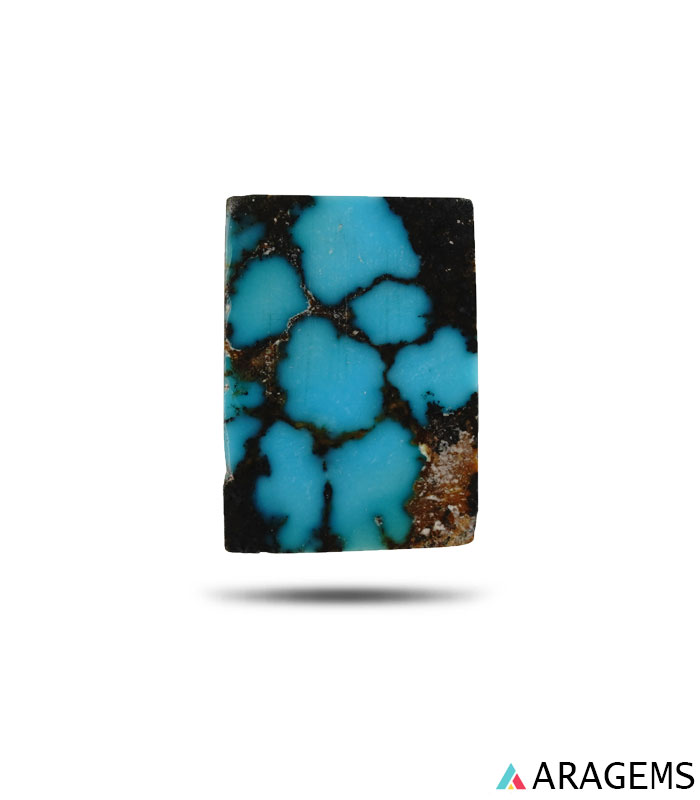
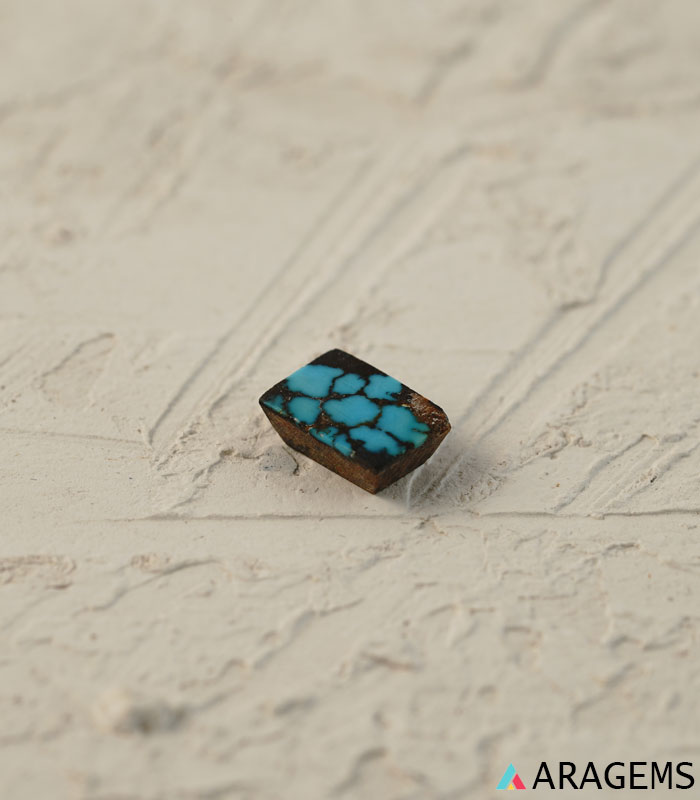
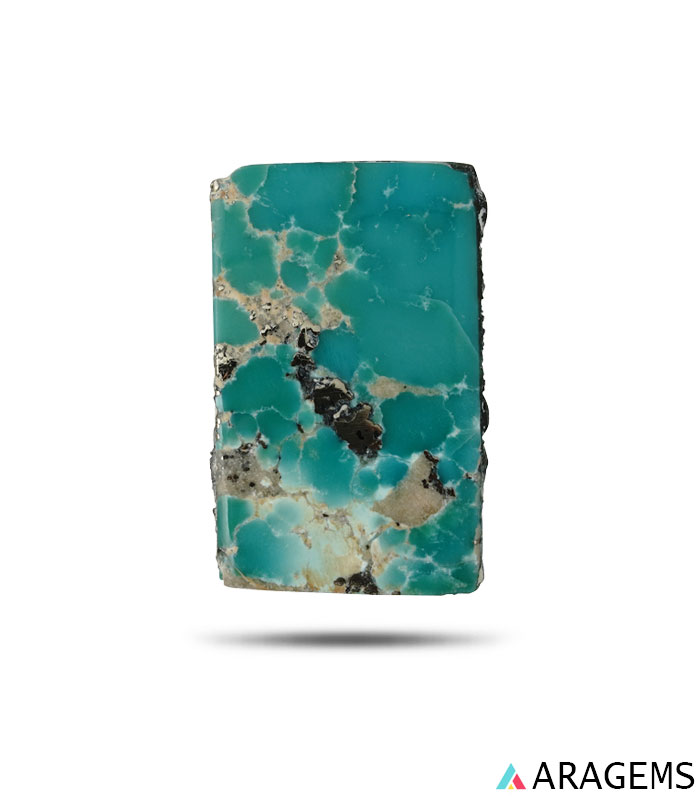
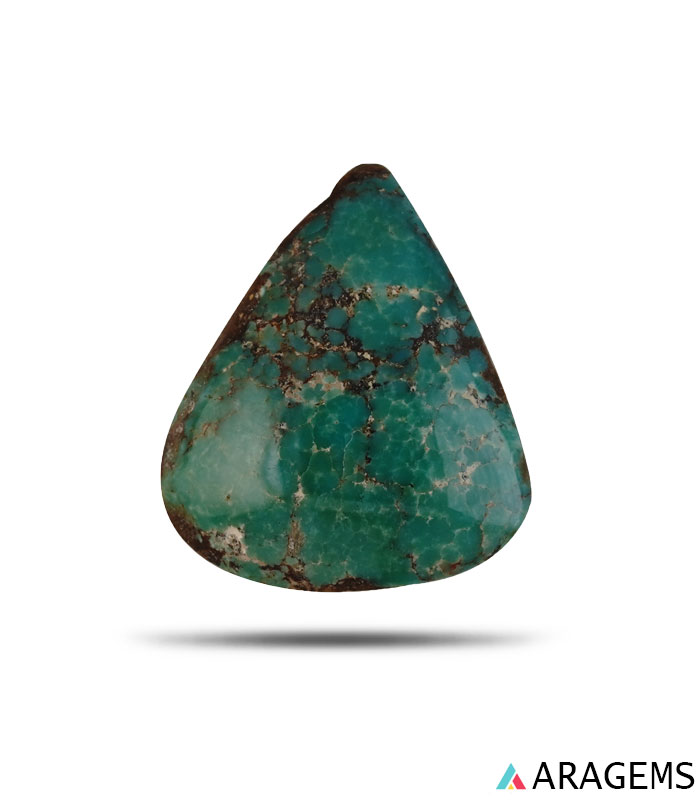
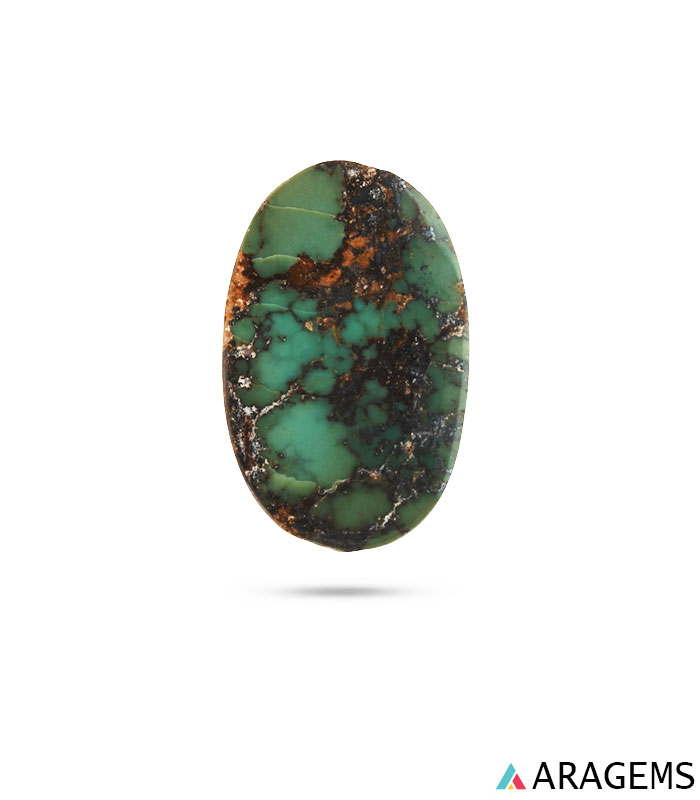
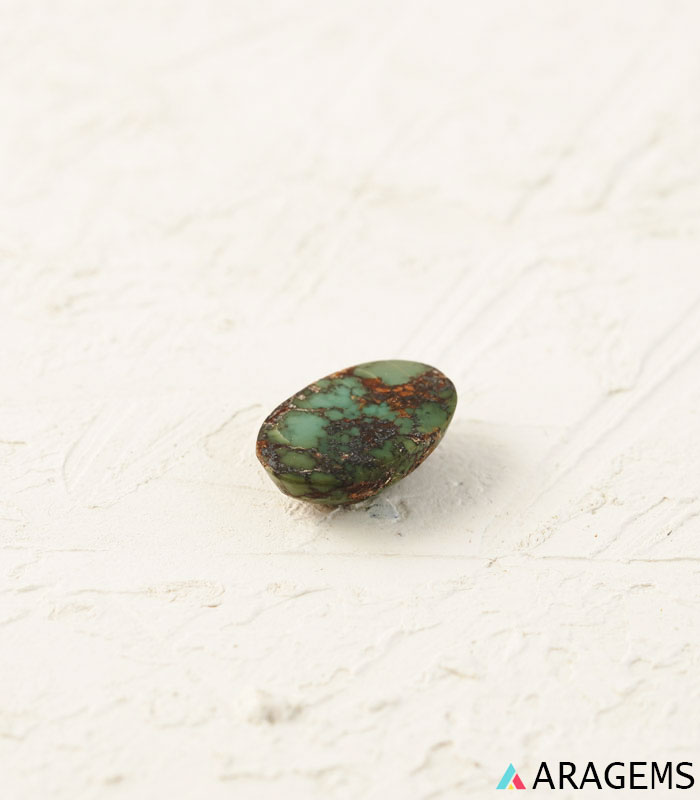
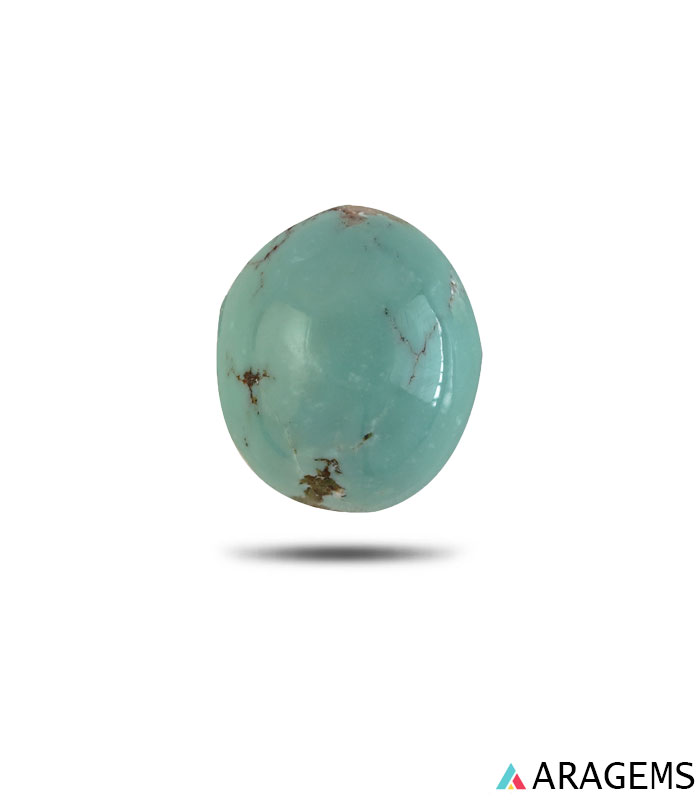
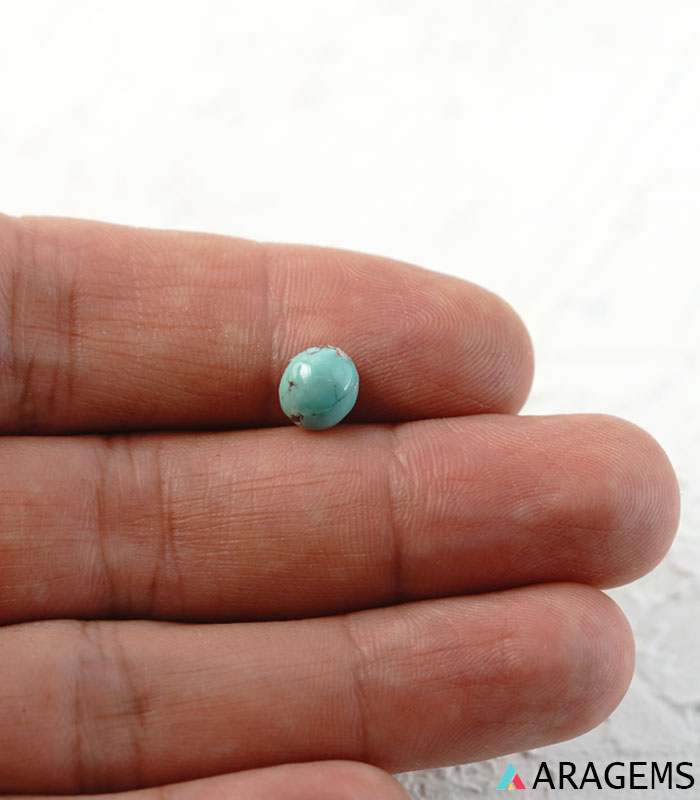
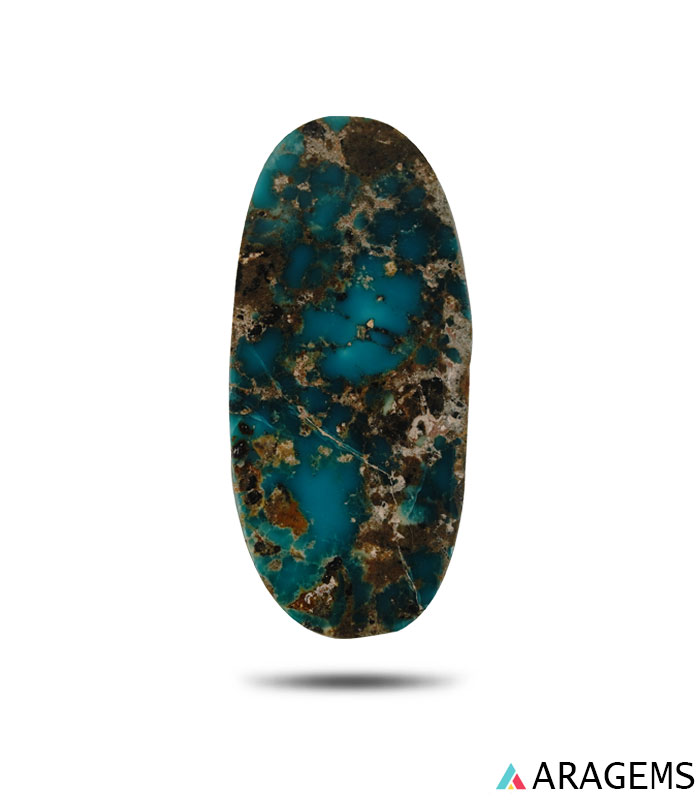
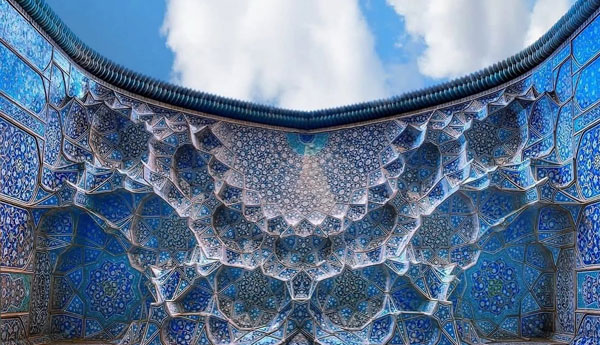
For thousands of years, Turquoise stone, also known as Firoza in many Eastern languages, has been revered as a gemstone of protection, healing, and spiritual balance. From ancient Egyptian tombs to Native American rituals and Mughal jewelry, turquoise has maintained a sacred and aesthetic significance. In this comprehensive guide, we will explore Turquoise stone benefits — not as mystical promises, but as a blend of scientific understanding, cultural symbolism, and spiritual traditions that have shaped humanity’s perception of this remarkable gemstone.
The Science Behind Turquoise (Firoza)
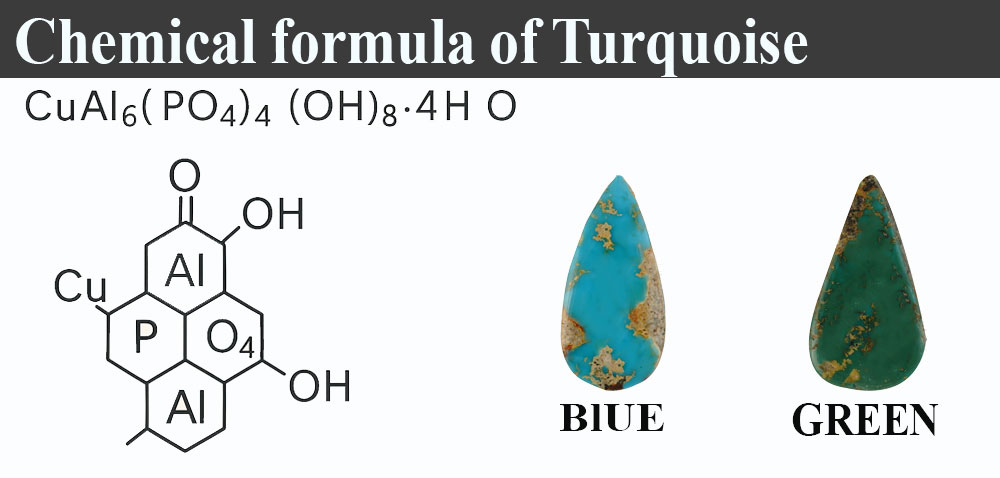
To appreciate turquoise beyond its beauty, it is essential to understand its mineral composition and physical properties. • Chemical Composition: Turquoise is a hydrated phosphate of copper and aluminum, with the formula CuAl₆(PO₄)₄(OH)₈·4H₂O. • Formation: It forms as a secondary mineral in arid climates through the weathering of copper deposits, filling veins and fractures in host rocks. • Color: The blue color is caused by copper, while green shades occur when iron replaces some of the aluminum. • Hardness: Ranges between 5 and 6 on the Mohs scale, meaning it’s relatively soft and must be handled with care. • Specific Gravity: Between 2.6–2.9, depending on impurities and porosity. • Transparency: Usually opaque, though thin sections can show slight translucence. According to studies published in the Journal of Mineralogical Geochemistry, turquoise’s blue intensity is influenced by water content and copper concentration, explaining why stabilized or dried stones often lose their vivid hue. Understanding this mineralogical background helps distinguish between natural, treated, and synthetic varieties — and explains some physical “effects” attributed to Firoza, such as sensitivity to oil and sunlight.
Historical and Cultural
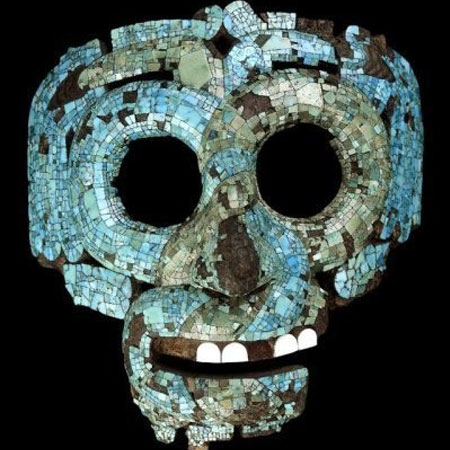
Turquoise’s reputation as a stone of luck and protection spans continents and civilizations. • Ancient Egypt: Pharaohs wore turquoise amulets as symbols of divine favor and immortality. Queen Cleopatra is said to have adorned herself with turquoise jewelry. • Native American Tribes: Considered turquoise sacred; they believed it connected the sky and the earth, offering protection to warriors and hunters. • Persia and the Middle East: Turquoise, or Firoza (“victory stone”), was traditionally believed to protect from the evil eye and ensure success. • China: Valued for its calming color, symbolizing heaven and purity. • Tibet: Used in spiritual rituals and medicine as a stone of healing and harmony. Throughout history, turquoise has been regarded not only as a gemstone but also as a bridge between the physical and spiritual realms.
Scientific Perspective on Gemstone “Healing”
Before discussing specific turquoise stone benefits, it’s important to clarify what science says about crystal healing. Modern scientific research does not confirm that gemstones have direct physiological healing effects. According to a review in Frontiers in Psychology, crystal healing’s reported effects are primarily placebo-based — meaning, they stem from belief, intention, and psychological association rather than measurable biochemical processes. However, these subjective experiences can still create real psychological benefits, such as stress reduction and improved emotional wellbeing. Thus, turquoise’s “healing power” can be viewed as a psychosomatic and symbolic phenomenon, not a medical one.
Emotional & Psychological Benefits of Turquoise (Firoza)
While scientific evidence may not verify metaphysical claims, millions of people over centuries have found emotional comfort and balance through wearing or meditating with turquoise.
Stress Relief and Emotional Stability
Firoza is believed to calm anxiety, reduce mood swings, and promote serenity. Its soothing color — associated with sky and water — psychologically evokes peace and stability. Color psychology research supports that blue and green tones can lower heart rate and create a sense of calm, explaining turquoise’s natural association with emotional balance.
Self-Expression and Confidence
Traditionally linked to the Throat Chakra (Vishuddha), turquoise is said to enhance communication, self-expression, and truthfulness. Many believe it helps overcome shyness, fear of judgment, and self-doubt.
Empathy and Compassion
By aligning the heart and throat chakras, turquoise is thought to open pathways for empathy and forgiveness — helping individuals express emotions honestly yet gently.
Creativity and Focus
Artists and writers often wear turquoise for inspiration and mental clarity. Some metaphysical traditions describe it as a “stone of the mind,” helping translate inner thoughts into creative form.
Physical and Health-Related Beliefs
Though not medically verified, traditional and holistic practices have long associated turquoise with several physical benefits.
Respiratory and Throat Support
Because of its symbolic connection to the throat chakra, turquoise is believed to assist with speech, breathing, and inflammation in the respiratory tract.
Detoxification and Immune Balance
In ancient Persian and Ayurvedic traditions, Firoza was considered a cleansing stone, promoting detoxification and overall vitality. Some believe it balances the body’s internal “energy flow,” helping to maintain immune equilibrium.
Anti-Inflammatory and Pain Relief Claims
Certain crystal healers associate turquoise with relief from joint pain, migraines, and exhaustion. These claims are anecdotal and not substantiated by science but remain popular in holistic circles.
Sleep and Relaxation
Wearing turquoise jewelry or placing the stone under a pillow is believed to improve sleep quality and ward off nightmares — a belief found in Native American traditions.
Spiritual and Metaphysical Benefits
Connection to Higher Consciousness
Many spiritual traditions view turquoise as a gateway to higher awareness. It is believed to synchronize the mind and spirit, fostering intuition and inner peace.
Protection from Negative Energy
Turquoise has been worn for millennia as a protective amulet. It is said to deflect envy, curses, or negative thoughts directed at the wearer — the same concept that evolved into the “evil eye” belief.
Balancing Energy (Chakra Healing)
As a stone connecting the throat and heart chakras, turquoise symbolizes alignment between emotion and expression — helping the wearer speak from the heart.
Attracting Prosperity and Luck
In several ancient cultures, turquoise was a talisman for victory and wealth. Even today, many astrologers and energy practitioners recommend Firoza to attract abundance and opportunities.
Firoza in Religious and Cultural Beliefs (Brief Overview)
In Islamic Tradition
In Islamic history, Firoza has been viewed as a stone of divine protection and success. It was often used in engraved rings and amulets, believed to bring victory and ward off misfortune. For an in-depth exploration of its spiritual meaning in Islam, see our separate article: “Firoza Stone in Islamic Beliefs.”
In Indian (Vedic) Tradition
In Indian astrology, turquoise is associated with Jupiter (Guru) and sometimes Venus (Shukra), planets governing wisdom, prosperity, and love. Astrologers recommend Firoza for enhancing intuition, confidence, and luck in financial and creative pursuits.
Negative Effects and Cautions
Despite its positive associations, turquoise requires careful handling — both physically and energetically.
Physical Sensitivity
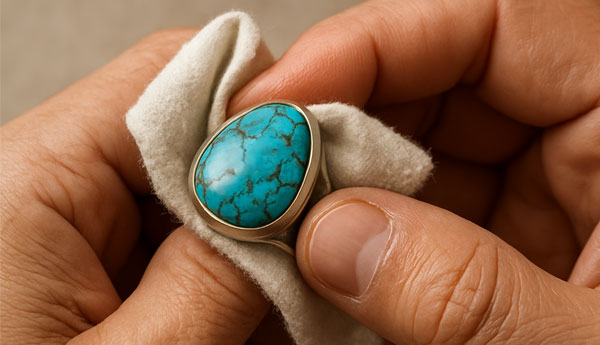
Turquoise is porous and easily absorbs oils, perfumes, and sweat, which can alter its color.
Avoid direct sunlight, chemical cleaners, and heat.
Clean gently with a soft cloth and lukewarm water only.
Store separately from harder gems to prevent scratching.
Psychological and Energetic Overload
Some healers suggest that turquoise’s energy can feel overwhelming to highly sensitive individuals, leading to restlessness. The solution is to wear it in moderation and observe how it affects personal energy levels.
Imitations and Treatments
A large percentage of turquoise on the market is dyed howlite, magnesite, or stabilized turquoise. While these are safe to wear, they differ from natural turquoise in energetic purity and value.
Modern Scientific Insights and Symbolic Meaning
In contemporary gemology and psychology, turquoise is valued for both its material properties and its emotional symbolism.
Its blue-green hue is proven to evoke calmness and trust — qualities linked to emotional healing.
Its copper content connects it to conductive energy, symbolically resonating with vitality and flow.
Its use in mindfulness and meditation practices can encourage self-awareness and grounding, contributing to measurable mental well-being.
Thus, while modern science does not confirm metaphysical healing, it supports the idea that turquoise’s visual and symbolic power can positively influence human emotion and behavior.
How to Wear and Use Firoza (Turquoise) Effectively
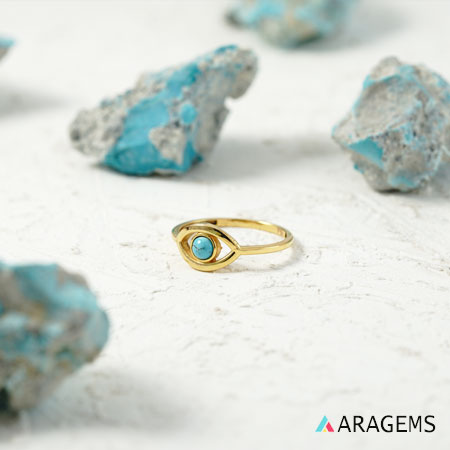
To benefit from turquoise’s symbolic and aesthetic qualities, wear or use it with intention and care. 1. Jewelry: Rings, pendants, and bracelets are ideal. Wearing it close to the throat or heart aligns it with the chakras most associated with turquoise’s energy. 2. Meditation: Hold the stone during breathing exercises or visualization to promote tranquility and self-expression. 3. Workspaces: Keeping turquoise nearby may help maintain emotional balance and mental clarity. 4. Energy Cleansing: Use gentle rituals like moonlight exposure or smudging with sage to “refresh” its energy — avoid sunlight or saltwater. 5. Personal Connection: The perceived benefit often increases when the stone is gifted or chosen intuitively, as many traditions believe turquoise “selects its wearer.”
Scientific–Spiritual Synthesis: Why Firoza Still Matters
Turquoise stands at a unique crossroads between science and spirituality. Its geological beauty appeals to gemologists, while its symbolic depth resonates with mystics and artists alike. Modern research into color therapy, placebo response, and symbolic resonance explains why gemstones like turquoise can genuinely improve mood, even without physical healing powers. The simple act of wearing turquoise can anchor the wearer in mindfulness — a scientifically proven way to reduce stress and promote well-being. Thus, Firoza remains not only a gemstone but a timeless tool for harmony between body, mind, and soul.
Conclusion
From ancient temples to modern therapy rooms, turquoise — the serene blue-green gem known as Firoza — has remained a symbol of balance, truth, and protection. Its scientifically fascinating composition and its deep cultural legacy make it one of the most meaningful stones in human history. While its healing powers are not confirmed by science, the emotional and symbolic Firoza stone benefits are undeniable: calmness, confidence, connection, and clarity. Whether you wear it for its beauty, spirituality, or simply personal comfort, turquoise continues to serve as a timeless reminder that true harmony begins within.