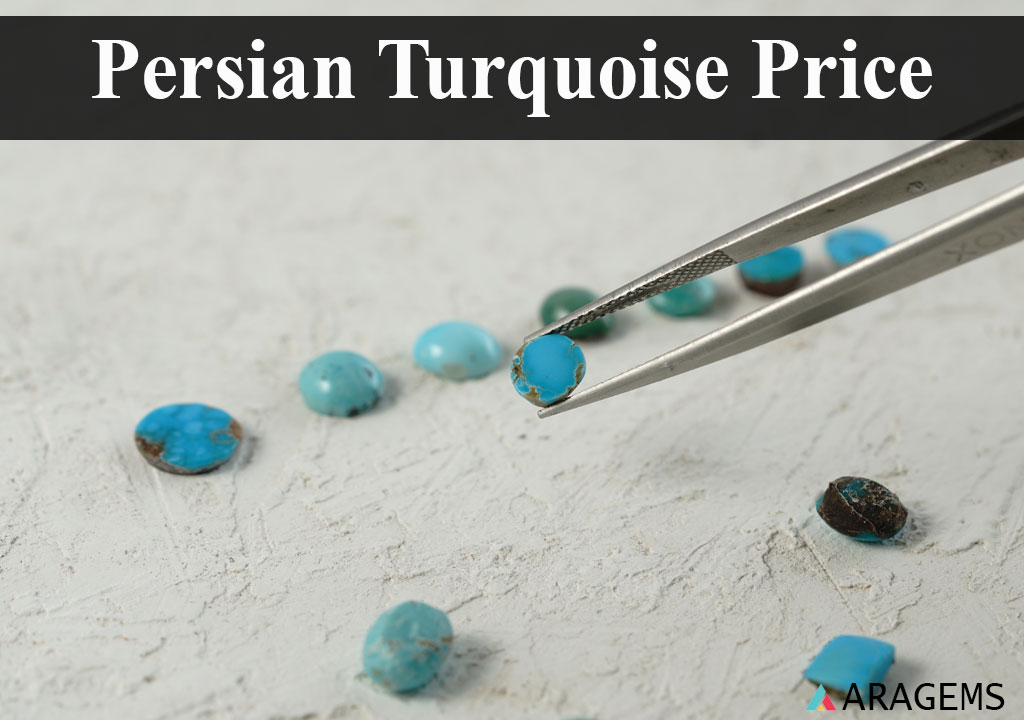
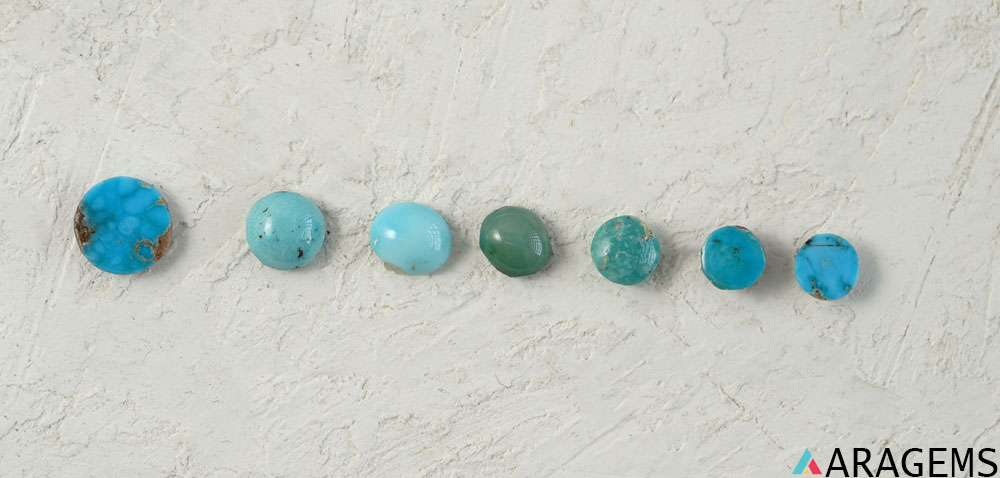
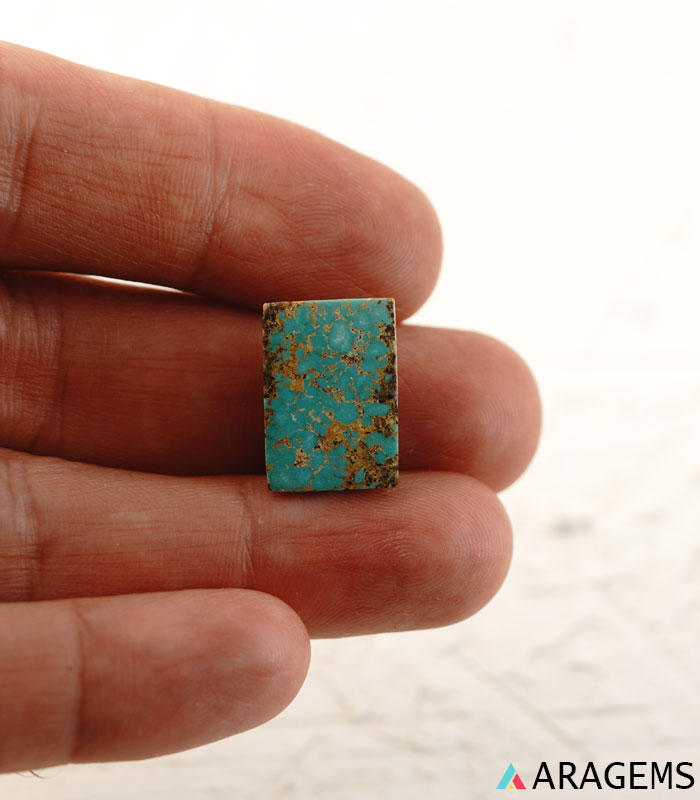
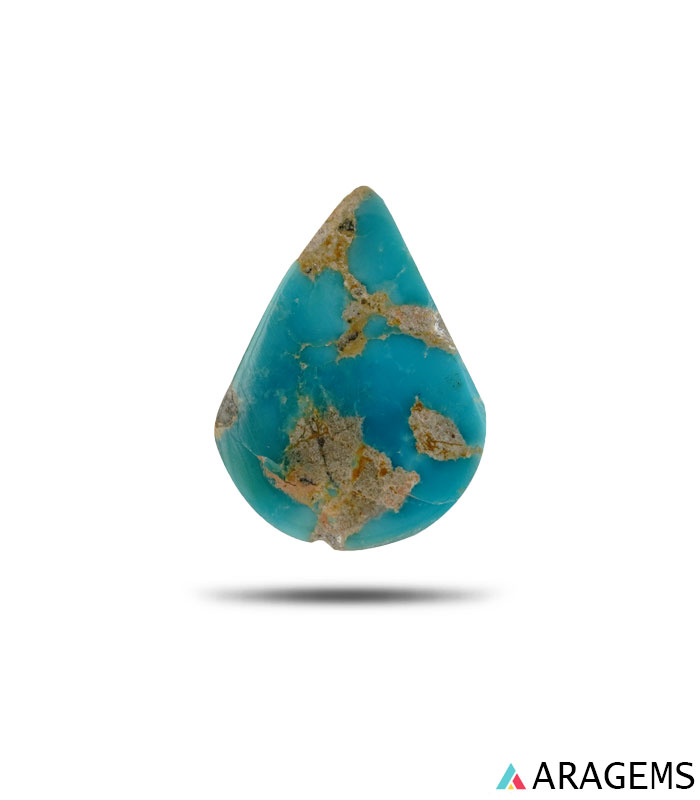
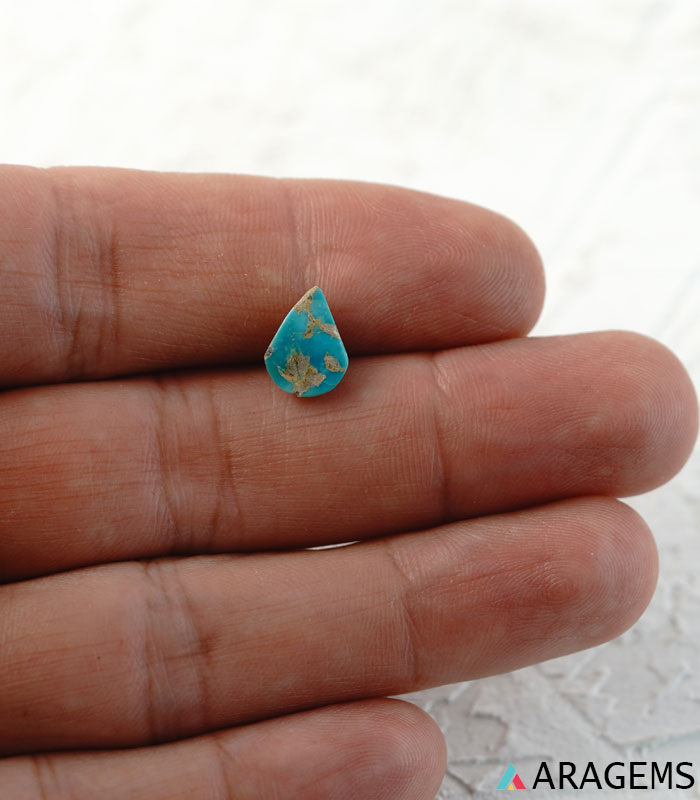
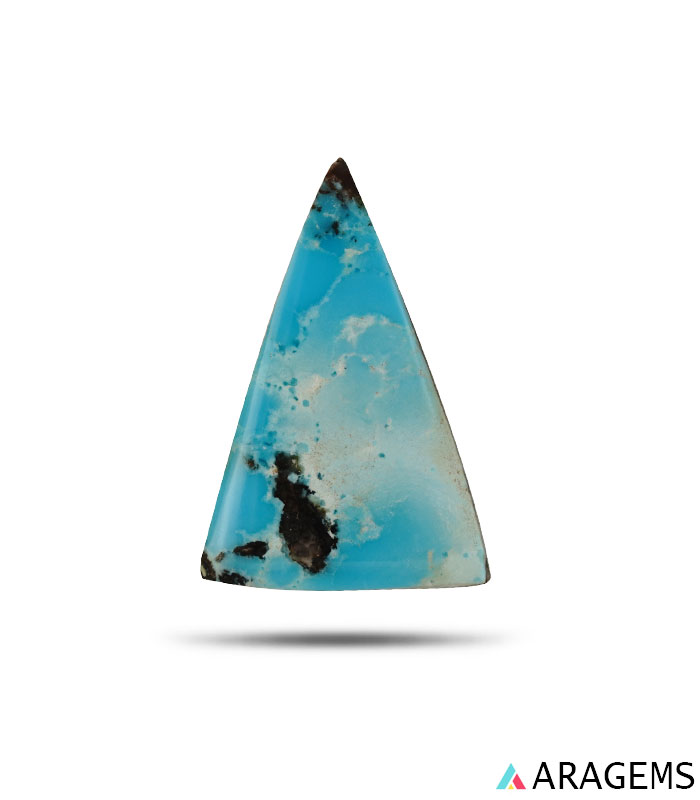
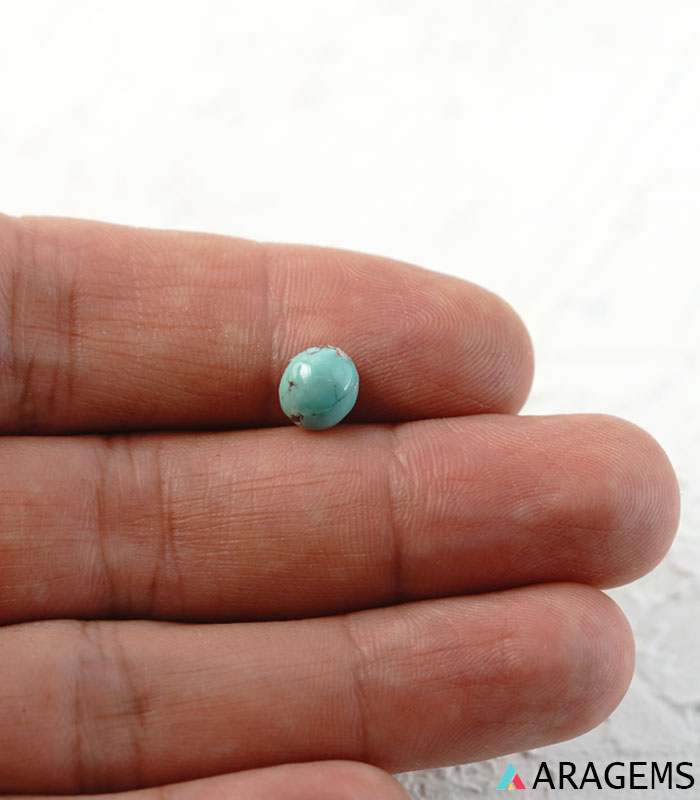
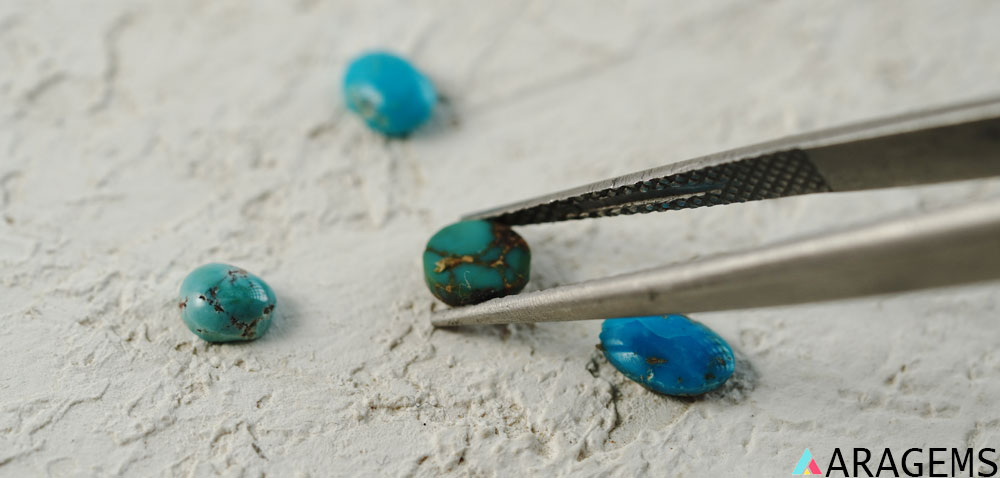
Persian turquoise is one of the most prized varieties of turquoise in the world, known for its vivid color, fine texture, and rich cultural history. Whether you're a gemstone collector, jeweler, or investor, understanding the Persian turquoise price per carat is essential. This gemstone, often referred to as Iran turquoise or Irani firoza, is mined primarily from regions like Neyshabur, Shahrbabak, and Damghan in Iran. With its increasing global demand, the irani feroza stone price has seen significant fluctuations over the years. In this article, we explore the main factors that affect the feroza stone price per carat, compare different types such as Ajami and Shajar, and examine how Persian turquoise stands out among global competitors.
Factors That Influence Price
Several scientific and market-based factors influence the Persian turquoise price per carat:
Color
The most valuable Persian turquoise stones exhibit a vibrant sky blue or robin's egg blue color. This iconic hue results from low iron and high aluminum content in the mineral composition. Turquoise with greenish tones, often caused by higher iron content, is typically less expensive. Uniformity in color across the stone also enhances value.
Type: Ajami vs. Shajar
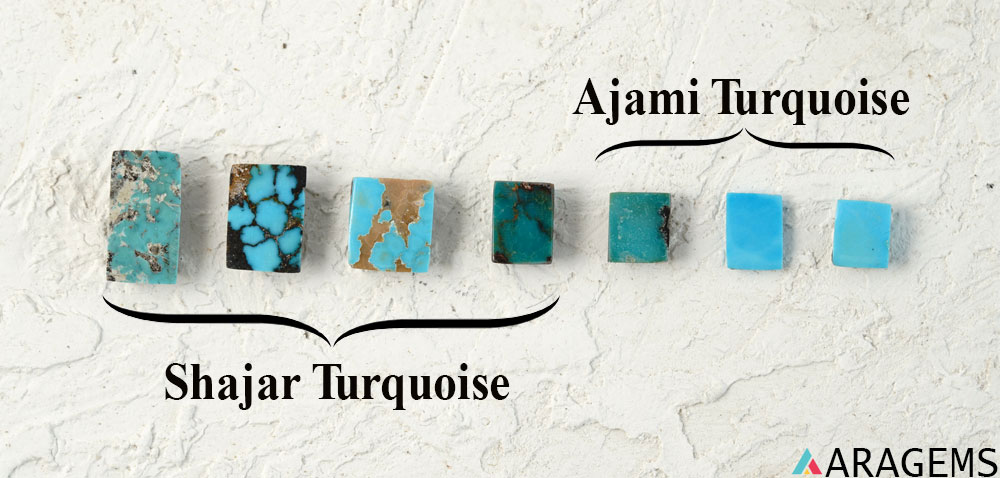
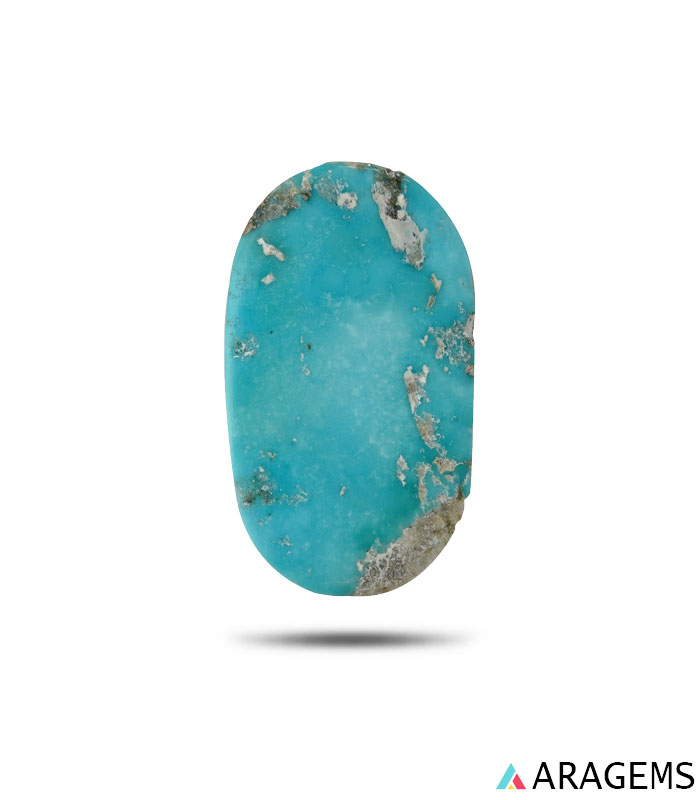
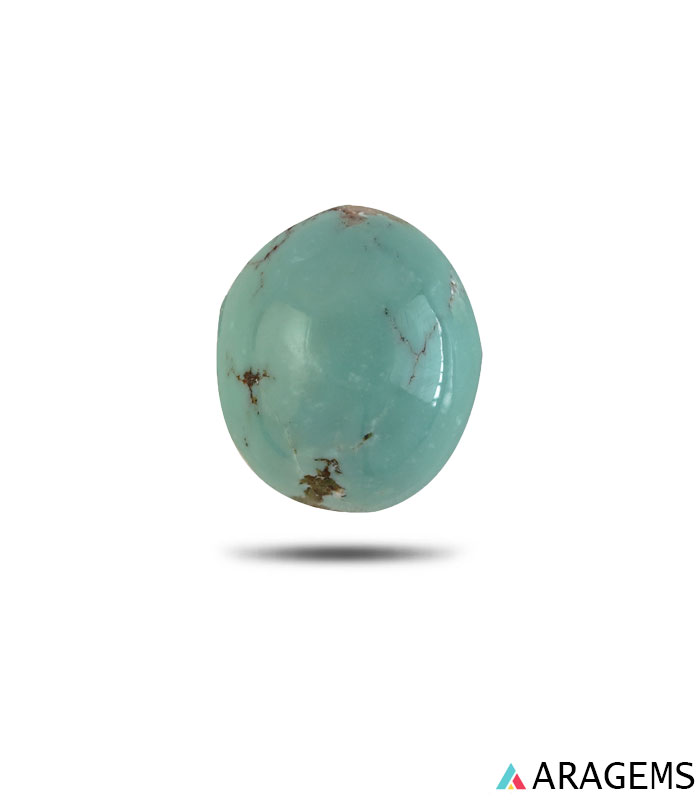
Ajami turquoise refers to stones without visible matrix (veins), making them smooth and uniform in appearance. Due to their rarity and aesthetic appeal, Ajami stones often command the highest prices in the market.
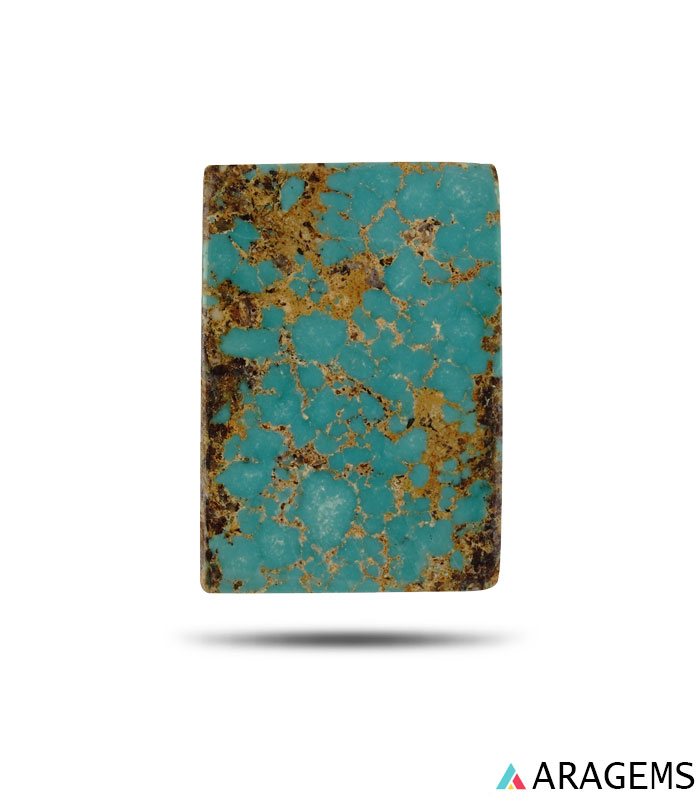
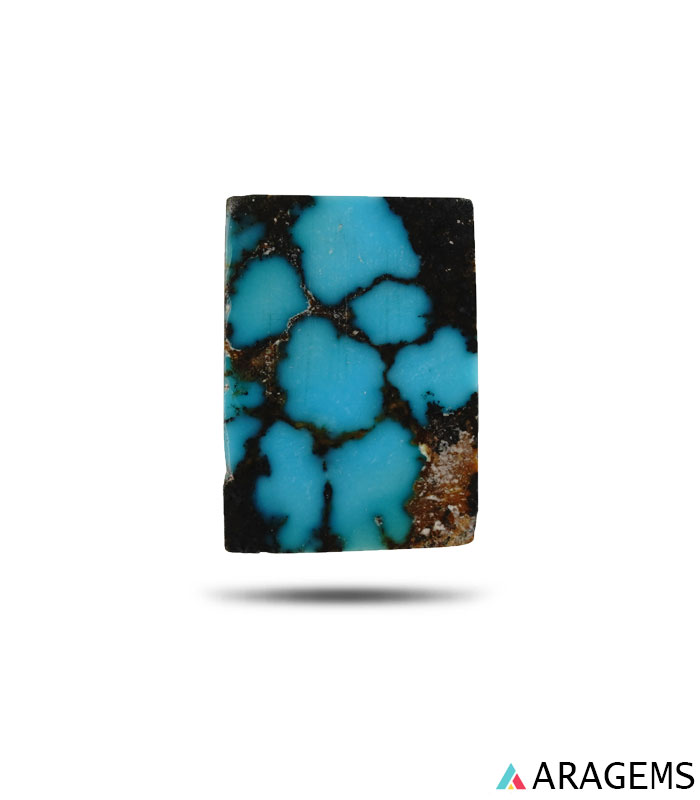
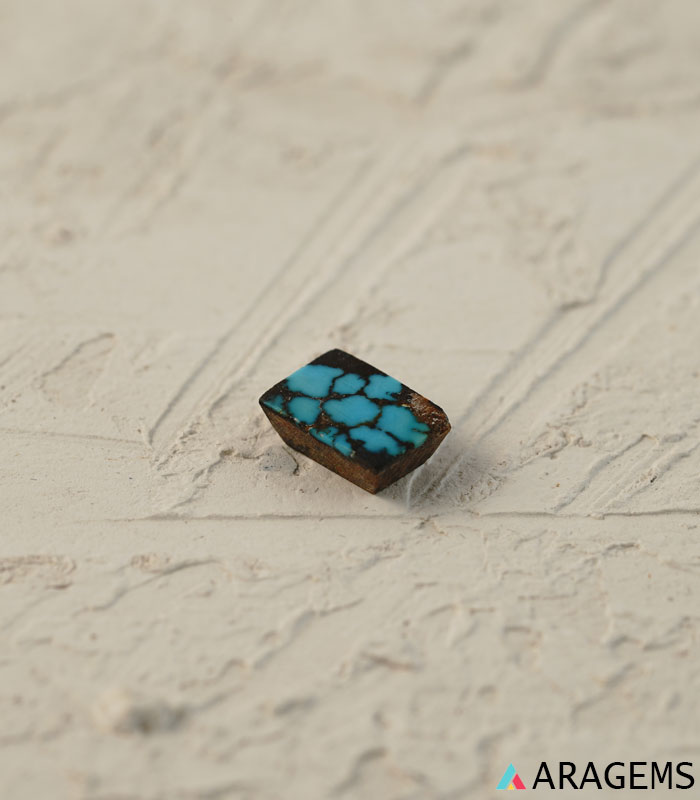
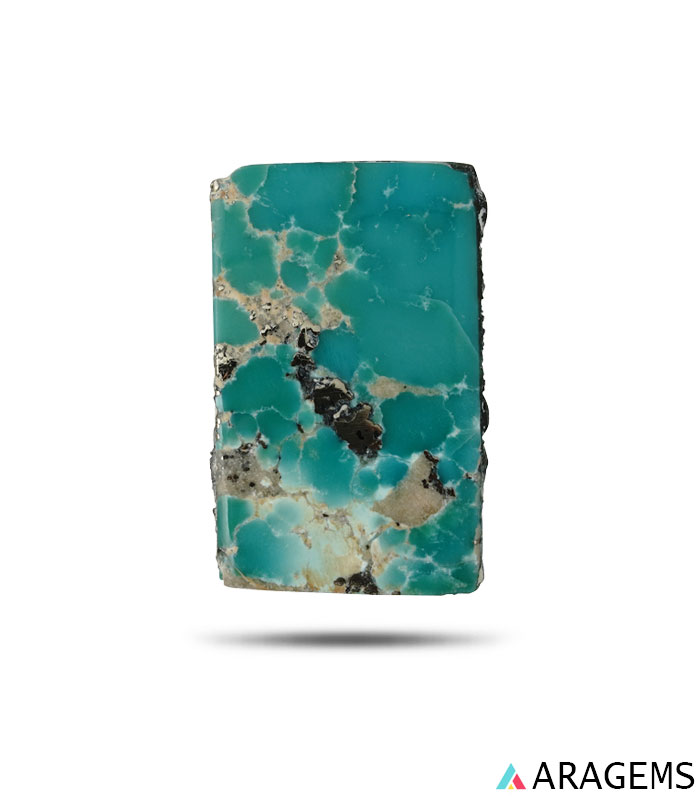
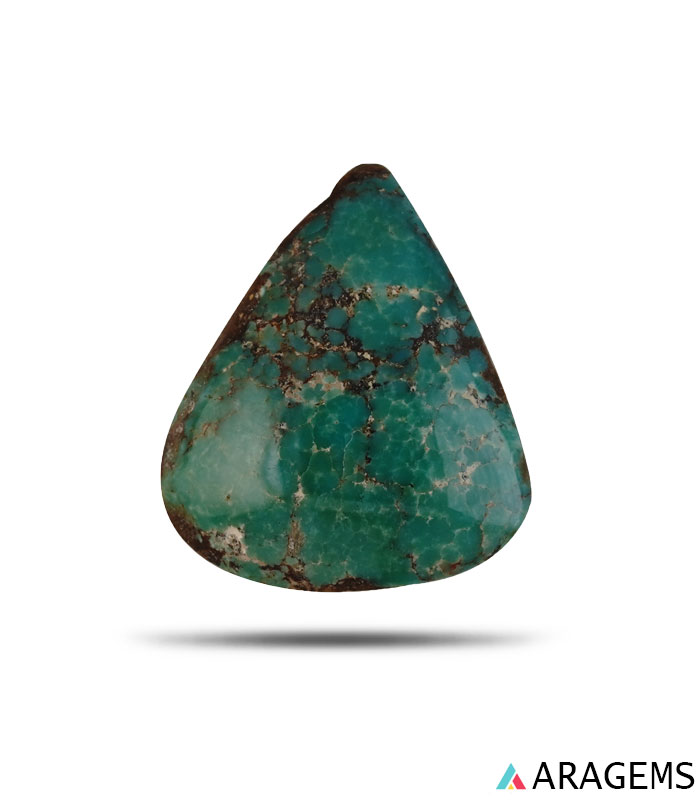
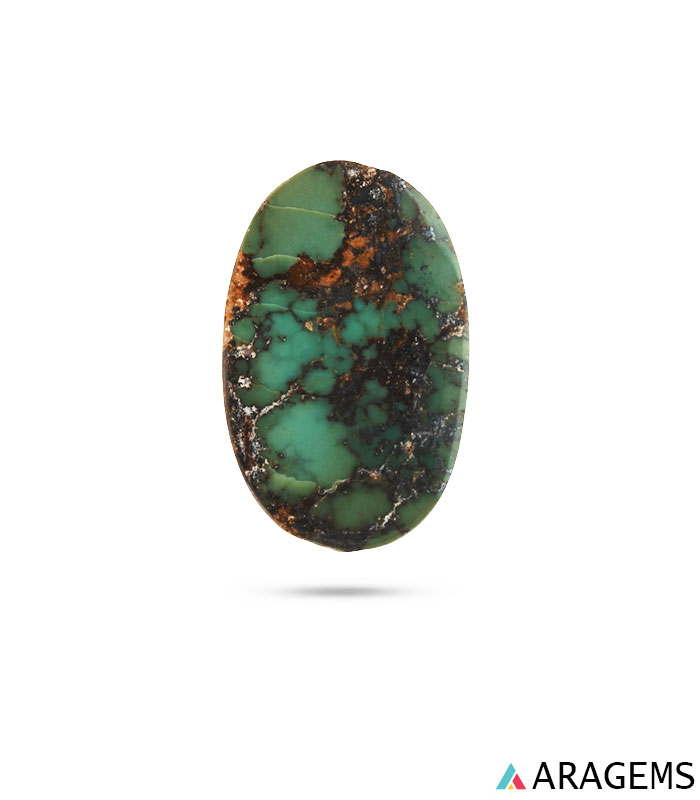
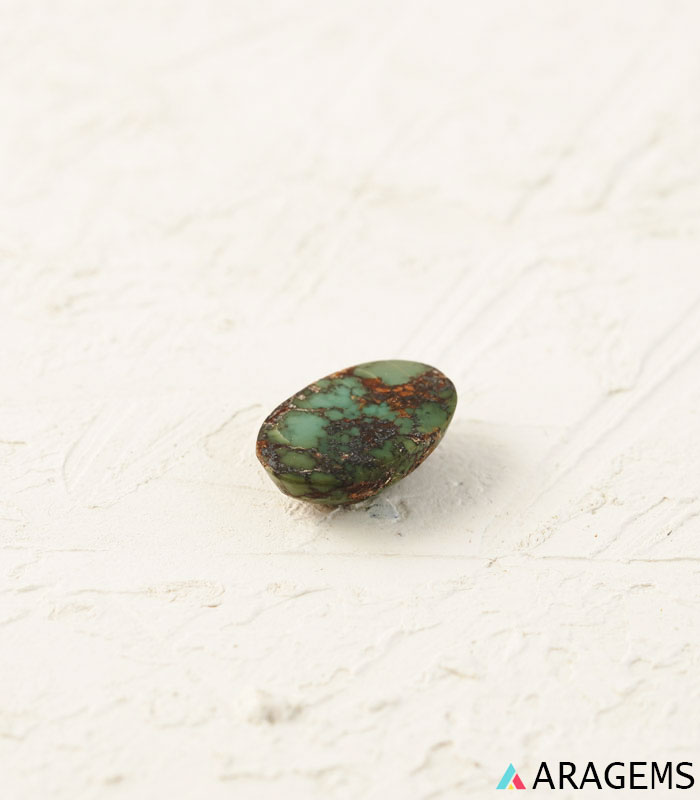
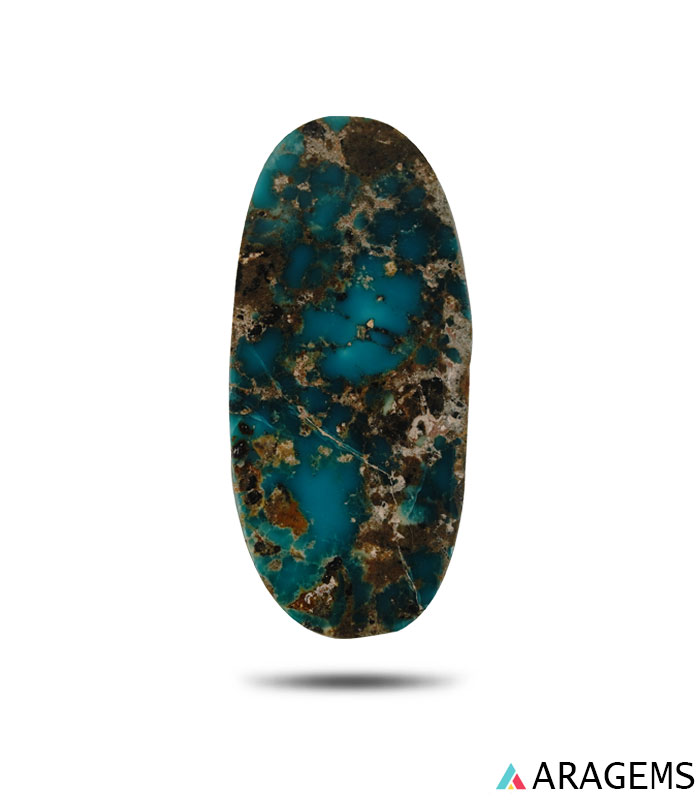
Shajar (Shajari) turquoise contains a matrix—usually a web of dark brown or black host rock. While still beautiful, Shajar stones are generally more abundant and are therefore priced lower than Ajami.
Size and Carat Weight
Like most gemstones, price per carat increases with size, especially for high-quality stones. Larger pieces of clean, vividly blue Persian turquoise are rare and fetch premium prices. Some buyers search for Persian turquoise price per gram, but in practice gemstone pricing is still calculated per carat. One gram simply equals five carats, so the value remains the same — only the measurement unit changes.
Clarity and Texture
Stones with minimal cracks, pits, or surface blemishes are more desirable. A smooth, waxy luster typically indicates higher quality.
Stabilization and Treatment
Natural, untreated turquoise from Iran is considered the most valuable. However, some stones undergo stabilization to enhance durability. While treated stones are still marketable, they are generally priced lower than untreated ones.
For those who are interested in obtaining better rates through bulk purchasing or larger stone selections, you can request a quote through our Persian Turquoise Wholesale page.
Price Comparison: Ajami vs. Shajar
The type of Persian turquoise plays a major role in its pricing:
Type
Description
Average Price per Carat (USD)
Ajami
Matrix-free, smooth surface, rare
$30 – $100+
Shajar
Visible matrix, spiderweb-like patterns
$2 – $10
These values are subject to variation depending on quality, origin (e.g., Neyshabur turquoise typically fetches more), and market demand.
The irani feroza price has shown a steady increase over the past two decades due to:
Growing global awareness of Persian gemstones.
Limited production from high-quality mines like Neyshabur.
Increased demand in jewelry and metaphysical markets.
While economic factors and mining output occasionally cause fluctuations, the general trend has been upward, especially for untreated, high-grade stones.
Persian Turquoise vs. Other Turquoise in Value
Compared to American, Chinese, and Egyptian turquoise, Persian turquoise stands out in several key areas:
Color Quality: Persian stones often exhibit deeper and more consistent blue tones.
Durability: Naturally harder and less porous than many foreign varieties.
Historical Significance: Used in Persian art and architecture for millennia.
As a result, the iranian turquoise price is often higher than that of other sources. In particular, Iran turquoise competes favorably with Sleeping Beauty Turquoise from the U.S., which is also known for its clear blue hue but lacks the same historical cachet.
Where to Buy and What to Expect
For those looking to purchase authentic Persian turquoise, especially the highly prized Ajami type, choosing a trustworthy source is essential. Due to the prevalence of treated or imitation stones in the global market, buying from a reputable seller helps ensure authenticity, fair pricing, and quality assurance. One of the most reliable sources for genuine Iranian turquoise is ARAGEMS — a specialized platform that offers direct access to stones from Neishabour, Shahrbabak, and Damghan. ARAGEMS is known for:
Verified origin of stones (100% Iranian turquoise)
Transparency in pricing per carat
Clear disclosure of treatments or stabilization (if any)
Availability of natural, untreated Ajami turquoise
Expert consultation and international shipping
When buying Persian turquoise, here’s what you should expect:
Higher prices for untreated stones, especially Ajami
Slight price variations based on mine of origin and color tone
Availability of certificates or seller guarantees
Rare larger stones may carry a premium price per carat
For serious collectors and jewelry designers seeking high-quality Iranian turquoise with verifiable origin, ARAGEMS is among the most recommended and reliable online stores in the market today.
Conclusion
The Persian turquoise price per carat depends on a variety of scientific and market factors, including color, type, size, and origin. Among global turquoise varieties, Persian turquoise—especially Ajami from Neyshabur—is considered a benchmark for quality. Whether you're interested in investment, jewelry-making, or cultural heritage, understanding the irani feroza price will help you make informed purchasing decisions. As demand for this exquisite stone continues to rise, so too does its value in the global gemstone market.