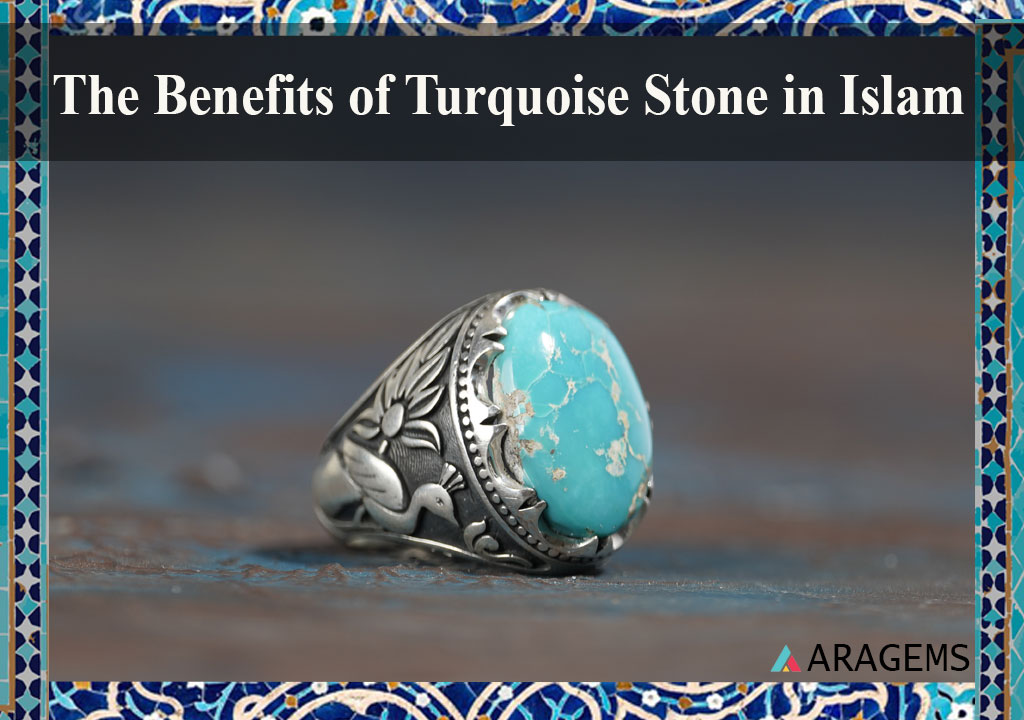
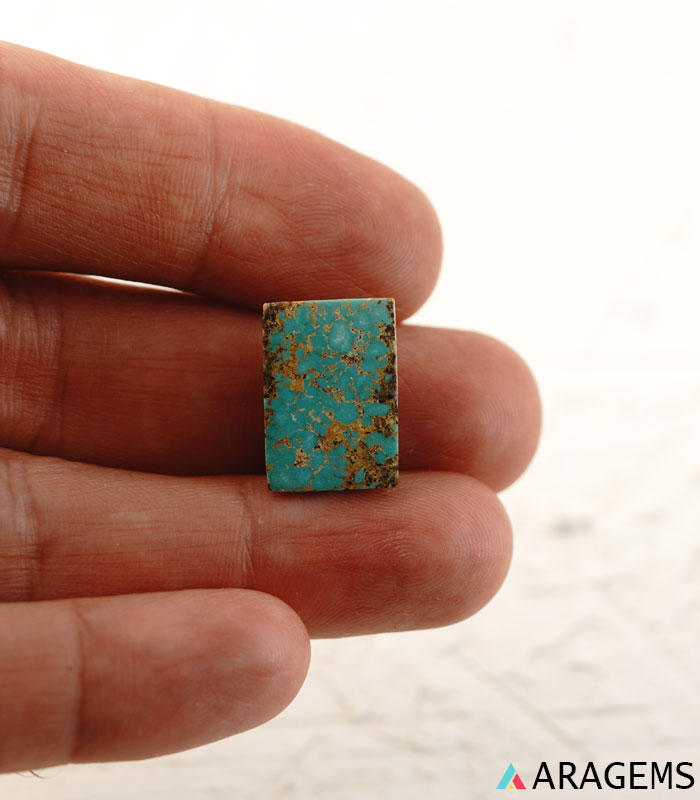
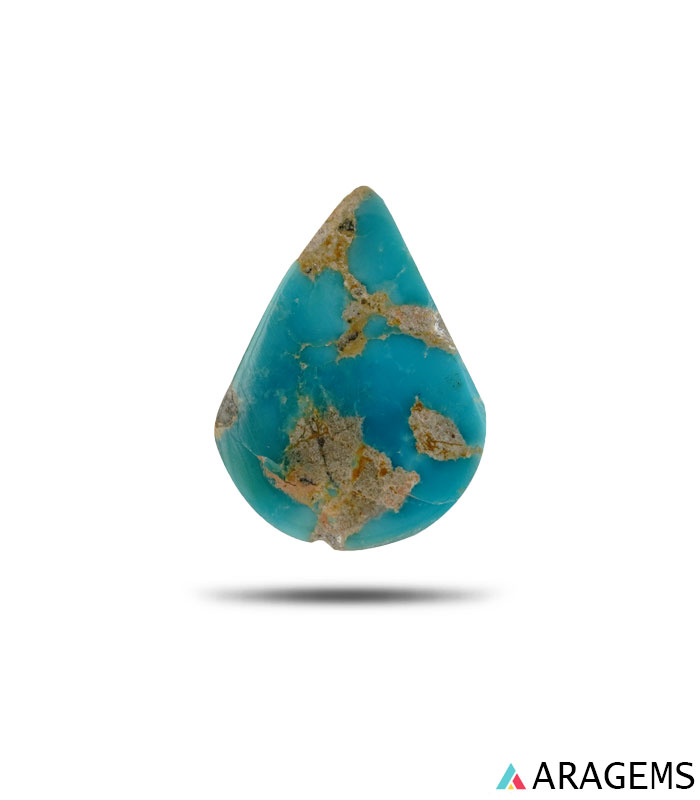
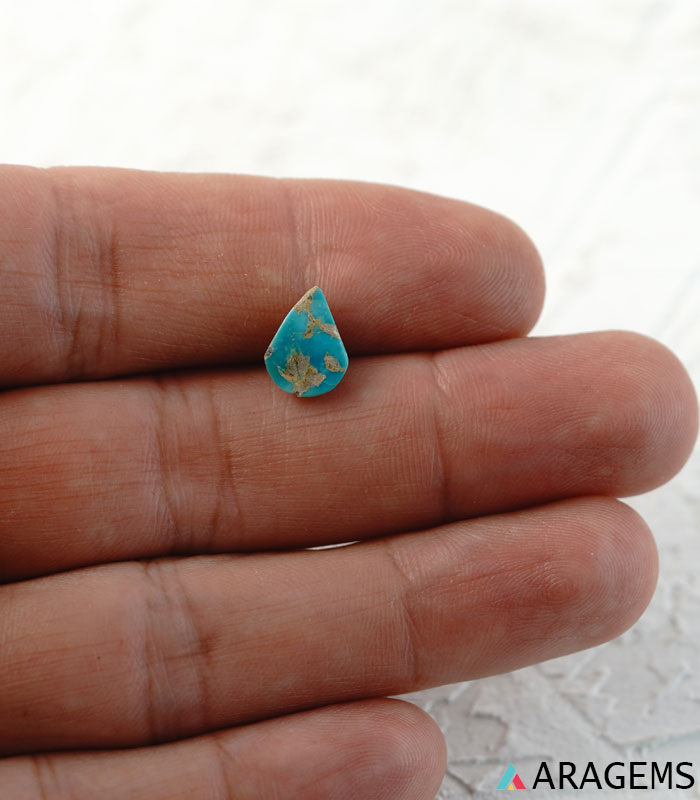
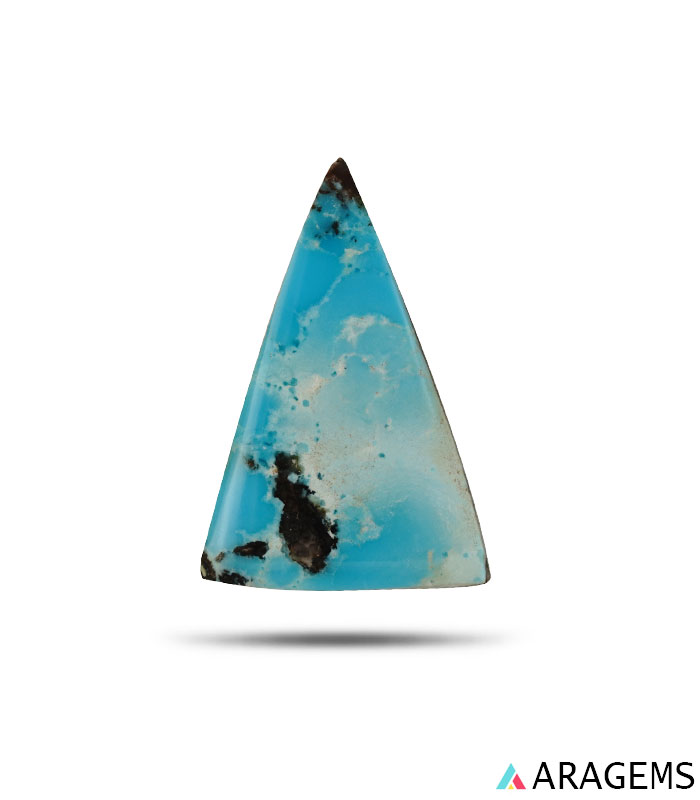
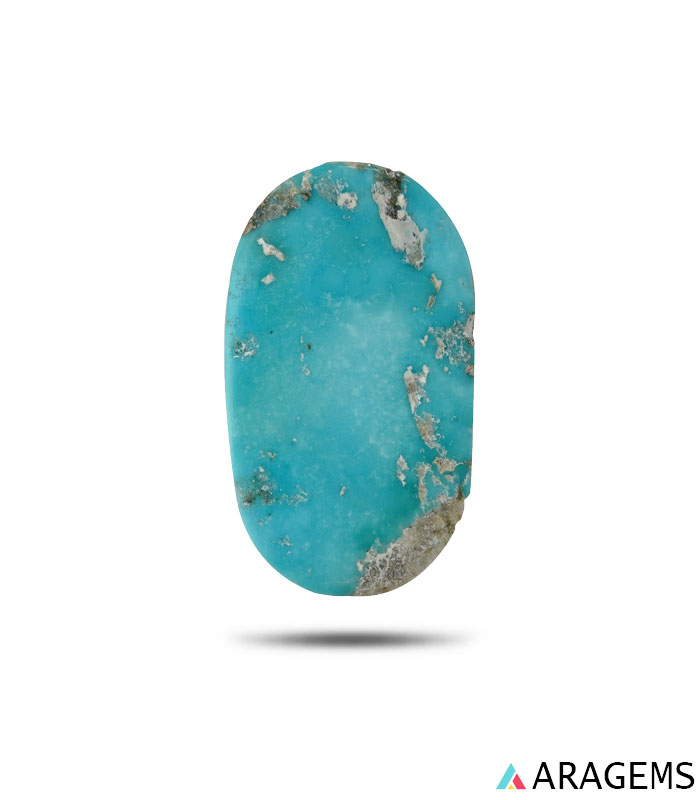
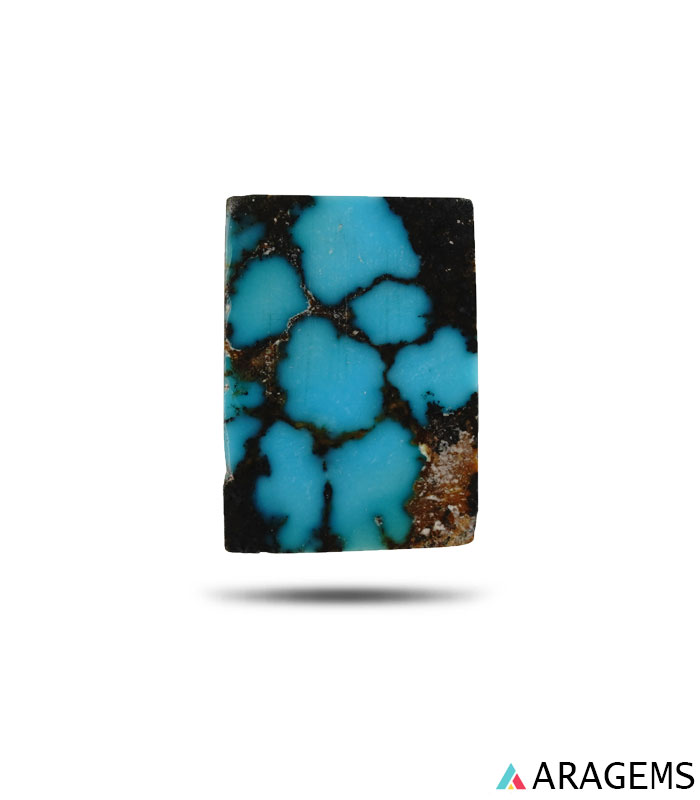
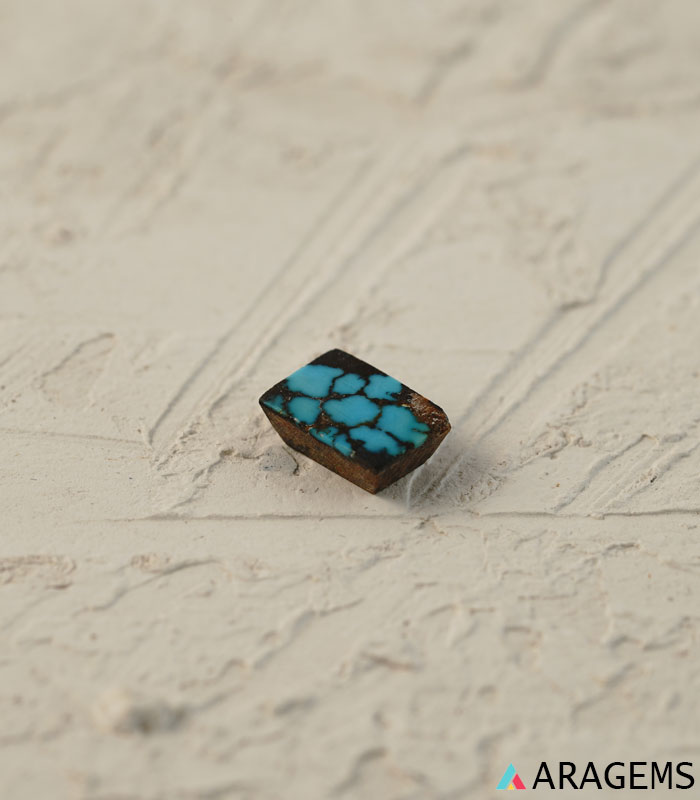
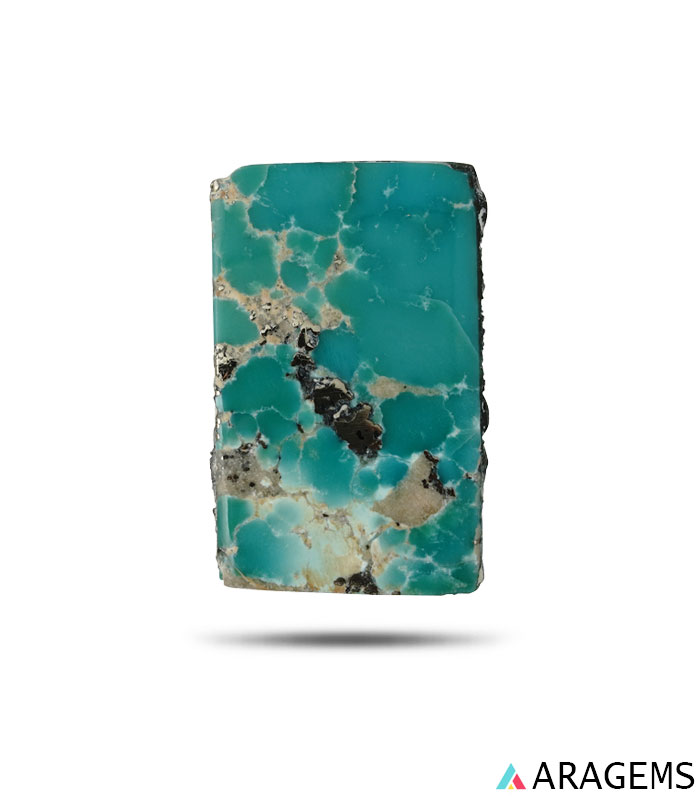
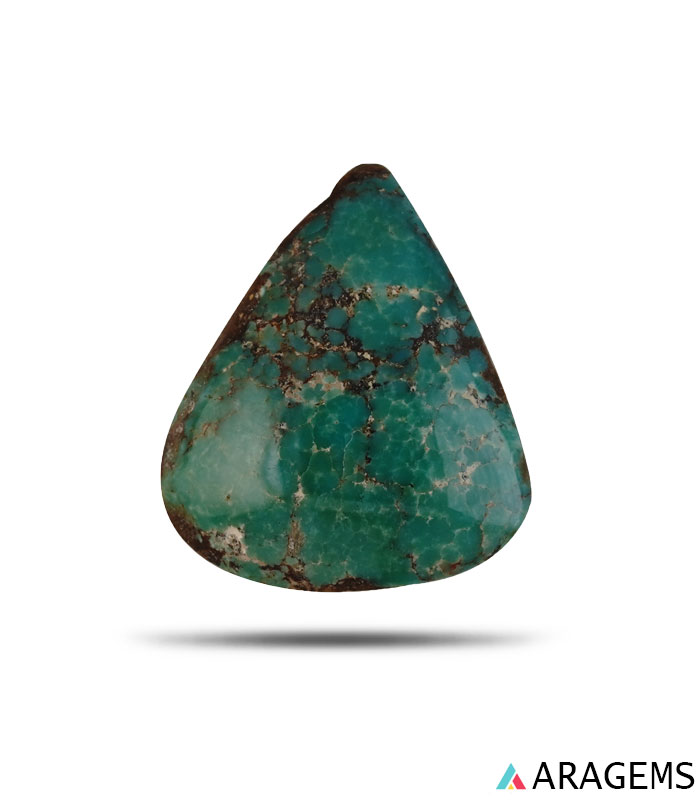
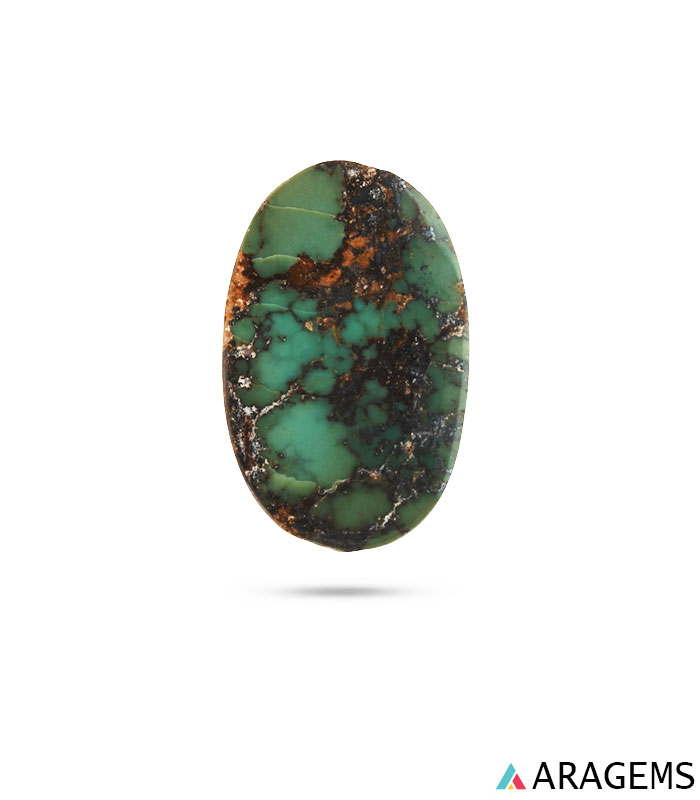
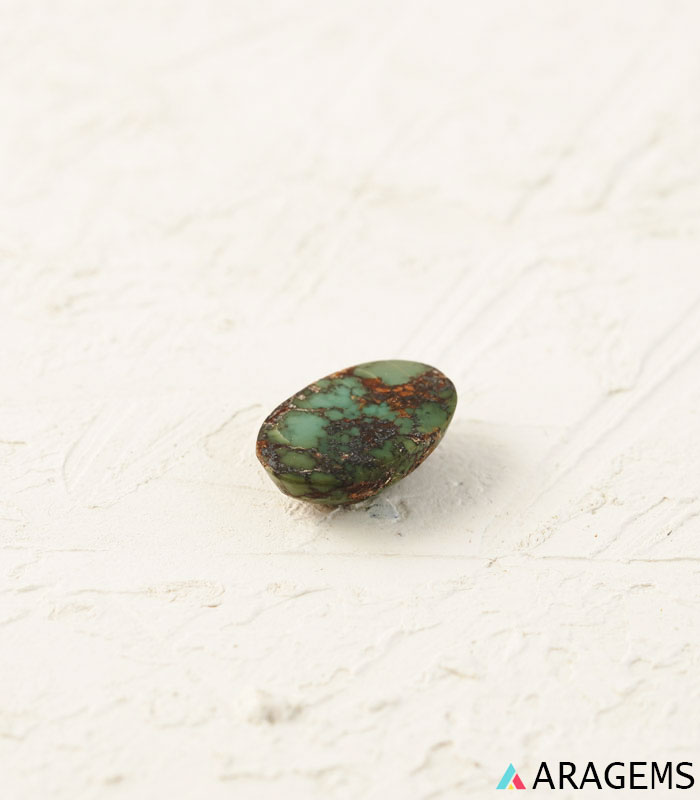
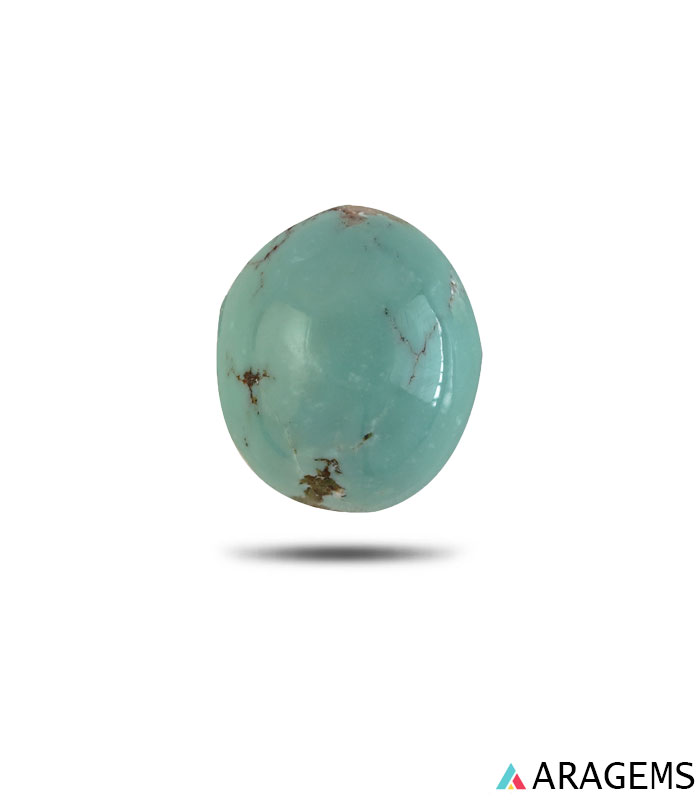
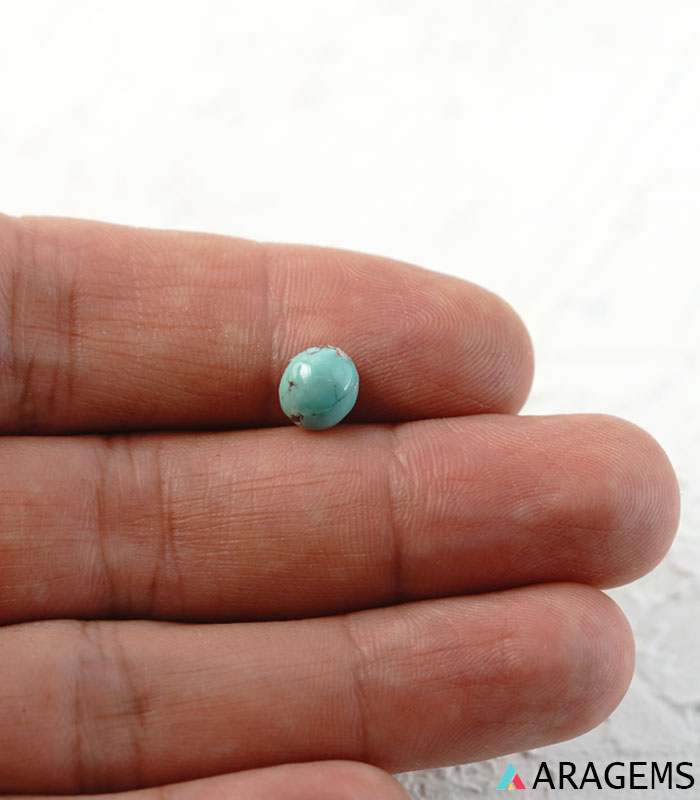
Turquoise, known as "Feroza" in Persian, has long held significant spiritual and cultural value in various civilizations, including the Islamic world. This captivating gemstone has been admired not only for its beauty but also for the myriad of benefits of turquoise stone in Islam it is believed to offer. As we explore the turquoise stone benefits in Islam, we uncover its historical and spiritual significance, especially among the followers of Islam who have cherished it for centuries.
Understanding Turquoise in Islamic Tradition
Turquoise has deep roots in Islamic history, and its use is mentioned in various historical texts and traditions. This stone, with its vibrant blue and green hues, has been associated with protection, peace, and spiritual elevation. Many believe that wearing turquoise stones or using them in amulets can bring blessings and shield the wearer from negative energies. This belief is particularly prominent in Islamic culture, where the stone is often regarded as a symbol of divine protection. Islamic scholars and spiritual leaders have highlighted the benefits of turquoise in many contexts, from enhancing one's spiritual health to promoting physical well-being. The turquoise stone benefits in Islam extend beyond aesthetics; it is considered a powerful tool for improving one’s mental state and emotional balance, making it a revered stone among Muslims.
1. Spiritual Significance and Protection
One of the most significant benefits of turquoise in Islam is its role in spiritual protection. It is said that the turquoise stone serves as a shield against envy, misfortune, and negative energies. In Islamic traditions, it is believed that the stone has the ability to protect its wearer from harm and guide them towards positive spiritual growth. In addition to protection, turquoise is thought to foster peace and serenity within the soul. It is often recommended as a talisman for those seeking spiritual clarity or wishing to strengthen their connection with God. By promoting inner peace and balance, the turquoise stone supports the mental and spiritual well-being of Muslims, aligning with the Islamic pursuit of peace (Salam) and tranquility.
2. Turquoise and Healing: A Blessing for the Body and Mind
The healing properties of turquoise are another key reason why it is revered in Islamic culture. According to traditional beliefs, turquoise has both physical and emotional healing benefits. It is said to help with issues such as headaches, anxiety, and even respiratory problems. In some Islamic practices, turquoise is placed near the body or worn as jewelry to promote overall health and well-being. The turquoise stone is also believed to help in balancing the body's energies, ensuring that both the mind and body remain in harmony. This aligns with the Islamic principle of maintaining good health as a means of fulfilling one's duties to Allah (God). By promoting healing and vitality, turquoise is considered an essential element in achieving a balanced, healthy life.
3. Enhancing Positive Energy and Wisdom
In the Islamic tradition, turquoise is known to be a powerful stone that enhances wisdom and encourages positive energy. Those who wear turquoise are believed to experience increased clarity of thought and improved decision-making abilities. The stone is thought to open the mind to spiritual wisdom and inner truth, making it easier to align one’s actions with Islamic values and principles. Furthermore, the turquoise stone is associated with the promotion of love, compassion, and generosity. In Islam, these are considered fundamental virtues, and the stone is believed to amplify these qualities in its wearer. By fostering a compassionate heart and wise mind, turquoise helps individuals lead lives that are in line with Islamic ethics and values.
4. The Iranian Turquoise: A Superior Stone in the Islamic World
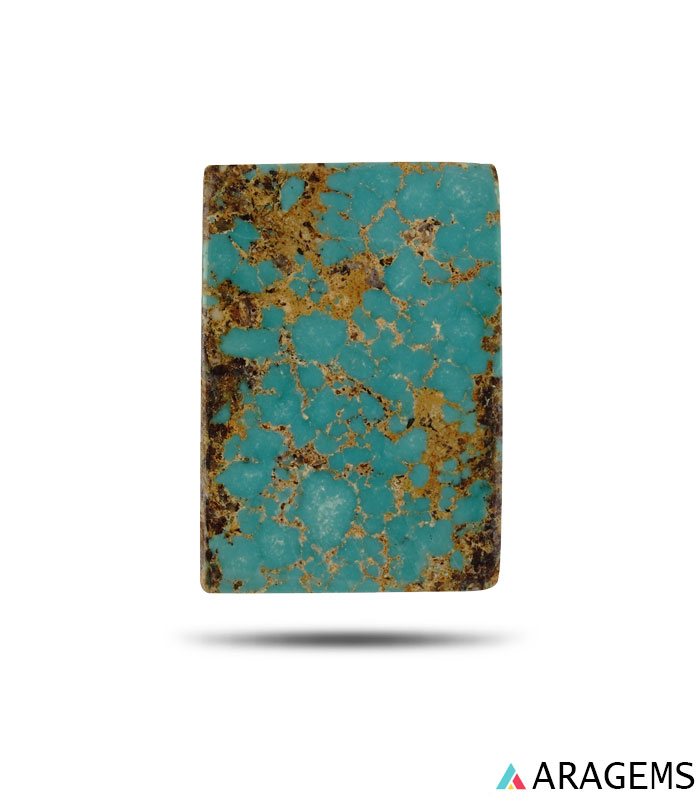
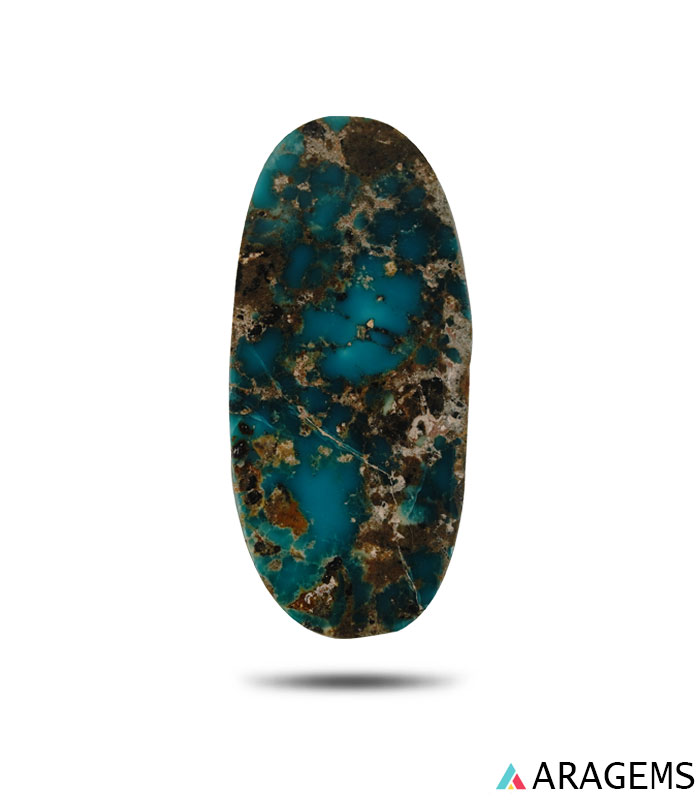
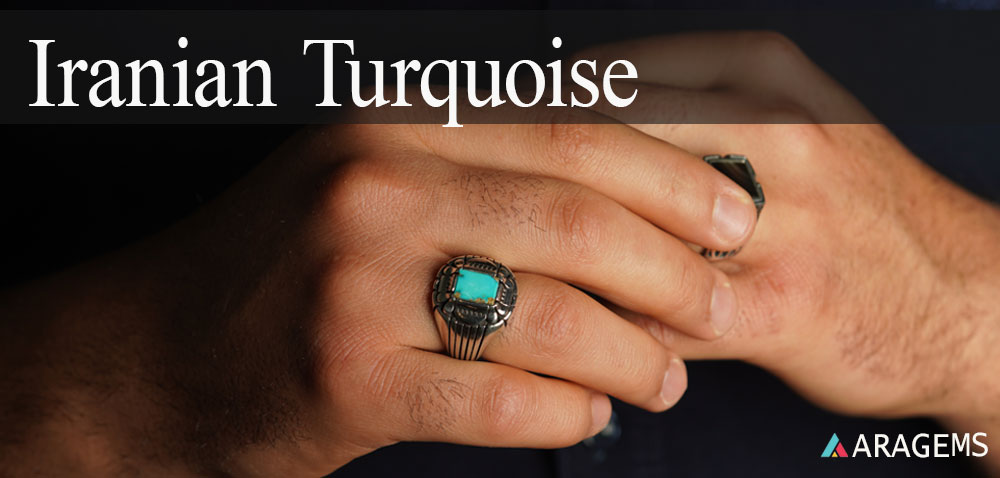
When considering the benefits of turquoise stone in Islam, it’s important to highlight the unique qualities of Iranian turquoise. Iranian turquoise is widely regarded as the highest quality turquoise available in the world due to its vibrant color, durability, and rarity. This type of turquoise has been a symbol of excellence and spiritual importance in Islamic culture for centuries. Iranian turquoise, often referred to as the “king of gemstones,” is highly prized for its deep blue hue, which symbolizes the sky and the heavens. It is believed to offer stronger protection and healing benefits compared to other types of turquoise. As a result, Iranian turquoise has remained a popular choice for amulets, jewelry, and talismans used by Muslims seeking divine protection and blessings.
5. Turquoise as a Symbol of Faith and Devotion
For many Muslims, wearing or owning turquoise is not only about the benefits it brings in terms of protection or healing. It is also about faith and devotion. The turquoise stone serves as a constant reminder of one’s connection to the divine and the spiritual journey of life. In Islam, this connection to the divine is of utmost importance, and the turquoise stone is often seen as a conduit for invoking Allah’s blessings. By wearing turquoise or keeping it close, Muslims are reminded of the beauty and majesty of Allah’s creations, as well as their ongoing spiritual growth. In a sense, the stone becomes a visual representation of one’s faith, offering strength in moments of adversity and serenity in times of stress.
6. The Role of Turquoise in Islamic Art and Culture
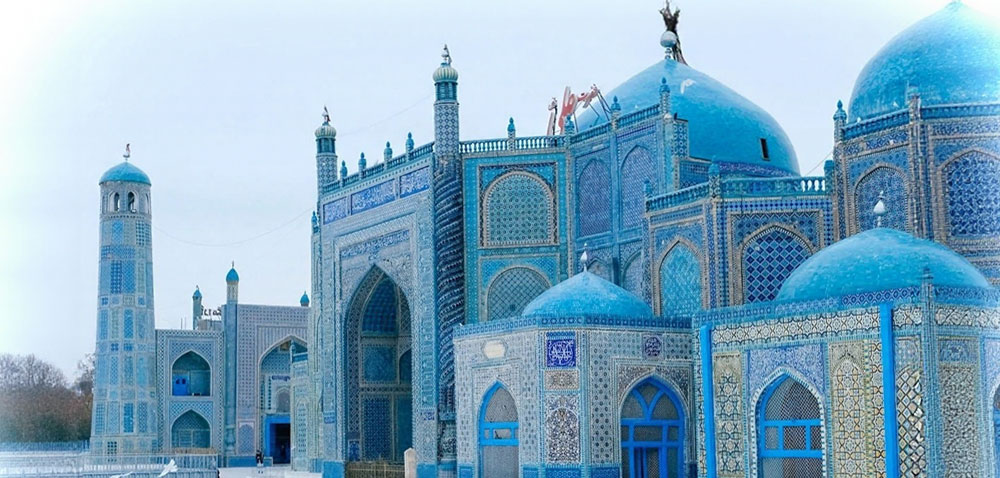
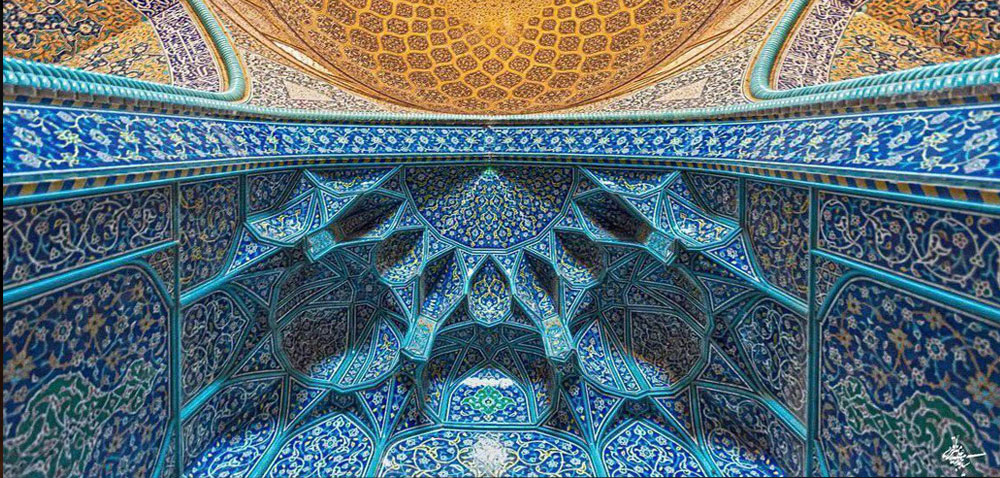
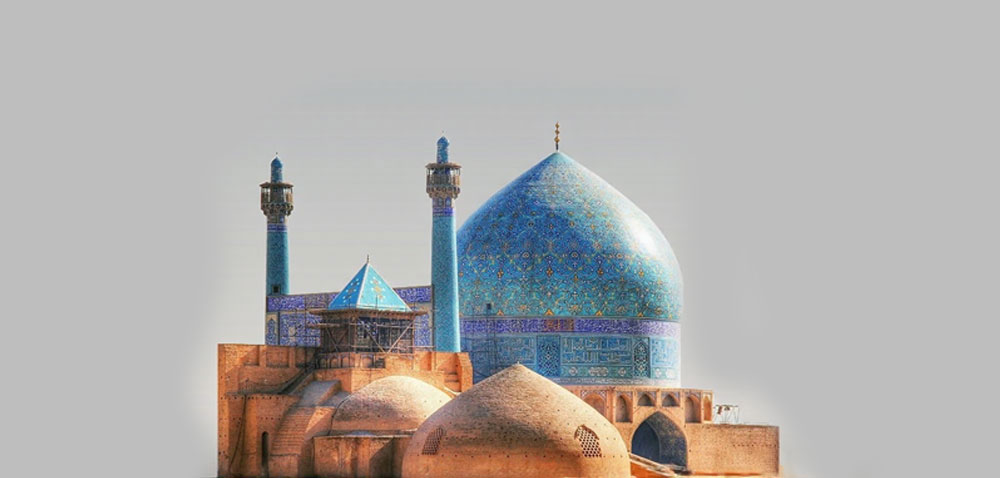
In addition to its spiritual and healing properties, turquoise has also played an important role in Islamic art and architecture. The gemstone has been used in intricate designs in mosques, palaces, and other significant buildings throughout the Islamic world. Its vibrant colors have come to symbolize the beauty and creativity inherent in Islamic culture.
Turquoise’s role in Islamic art reflects the deeper connection between the material world and the spiritual realm in Islamic philosophy. It is seen as a bridge between the two, enhancing both the physical beauty of the objects it adorns and the spiritual significance they carry.
By wearing turquoise or keeping it close, Muslims are reminded of the beauty and majesty of Allah’s creations, as well as their ongoing spiritual growth. In a sense, the stone becomes a visual representation of one’s faith, offering strength in moments of adversity and serenity in times of stress.
Conclusion: The Timeless Significance of Turquoise in Islam In conclusion, the turquoise stone benefits in Islam are many and varied. From spiritual protection and healing to enhancing wisdom and positive energy, turquoise has proven to be a gemstone of immense value in Islamic tradition. Its deep blue hue, symbolic of the heavens, continues to captivate the hearts of Muslims worldwide. For those seeking the highest quality turquoise, Iranian turquoise stands out as the gemstone of choice. Known for its unparalleled beauty and powerful benefits, Iranian turquoise remains the ultimate symbol of spiritual significance in the Islamic world. Whether worn as jewelry, kept as a talisman, or incorporated into Islamic art, turquoise remains a symbol of faith, protection, and healing. Its timeless beauty and powerful properties continue to make it a treasured stone among Muslims today.