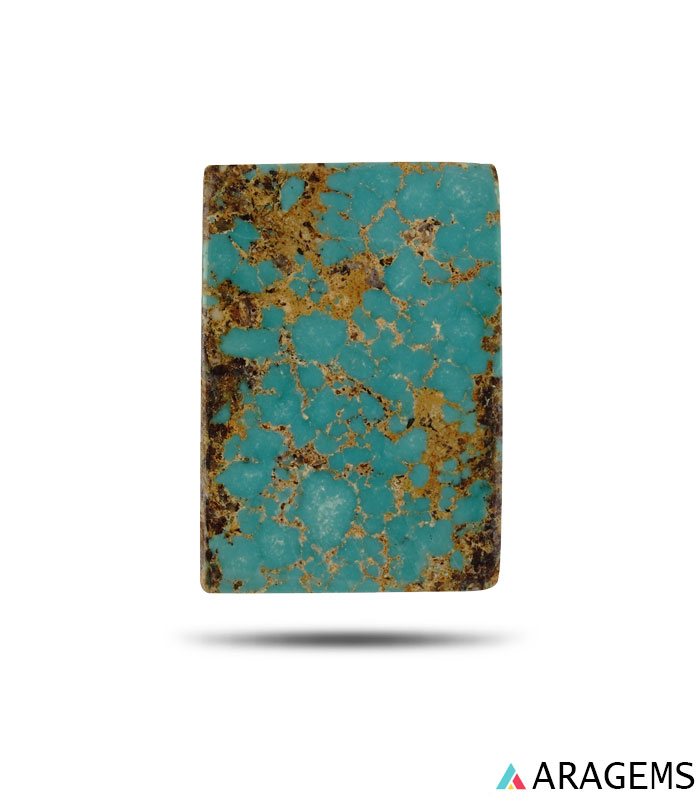
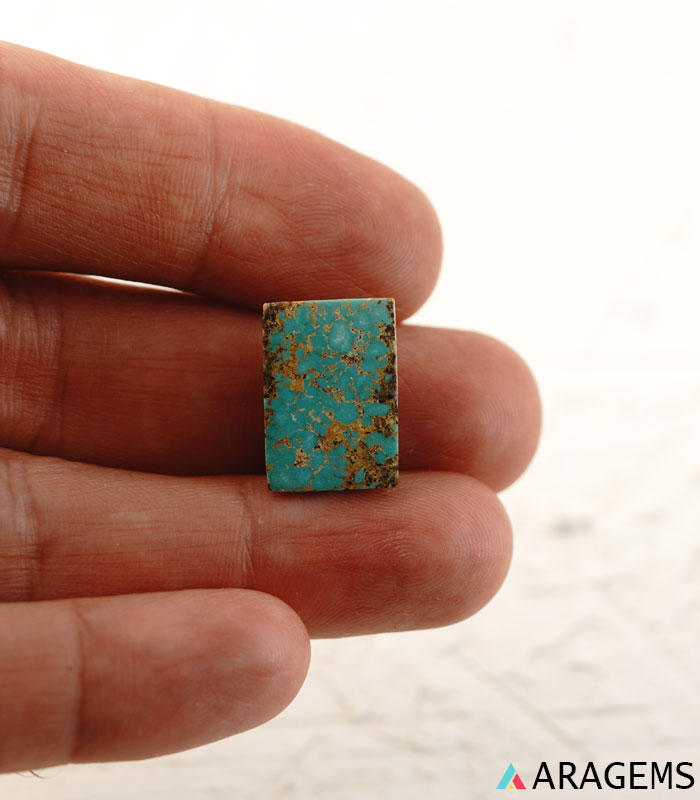
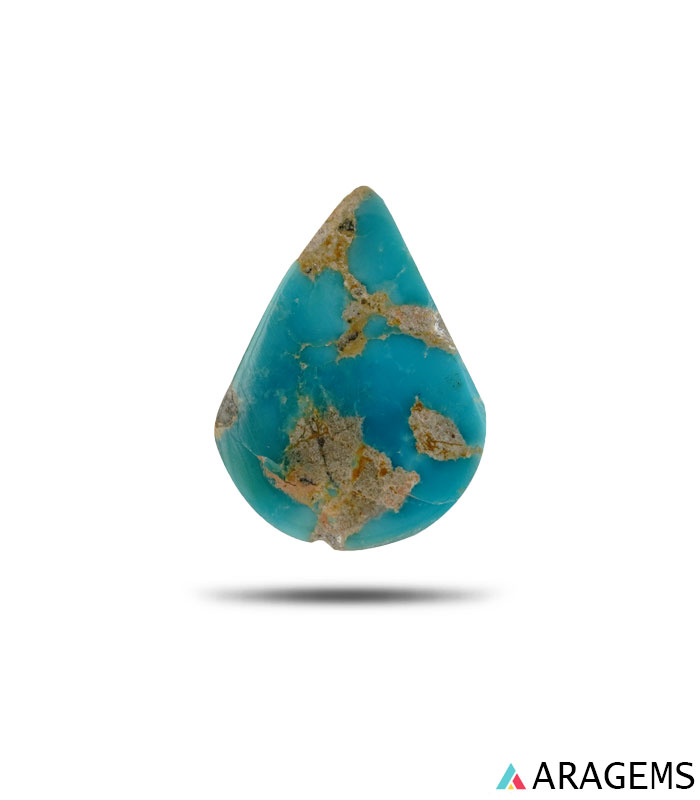
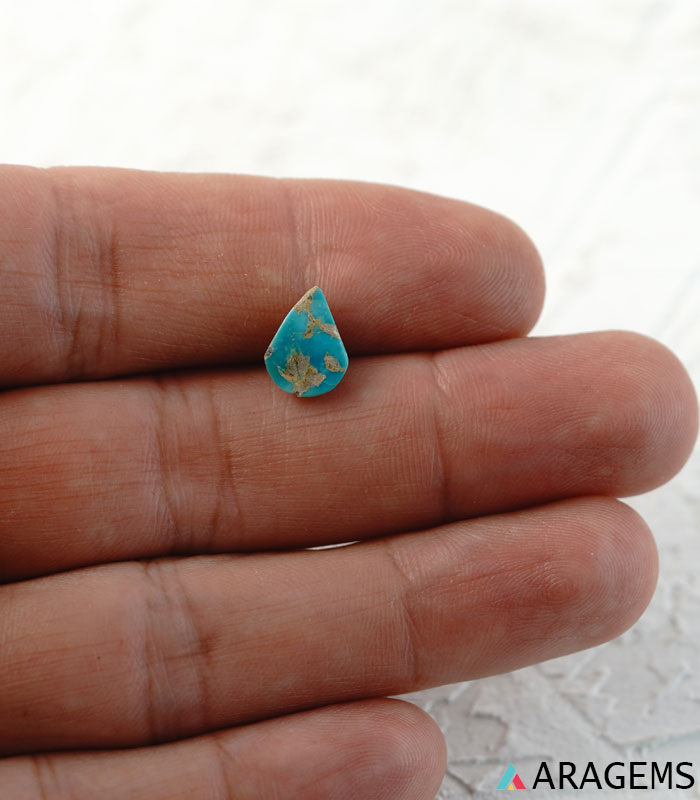
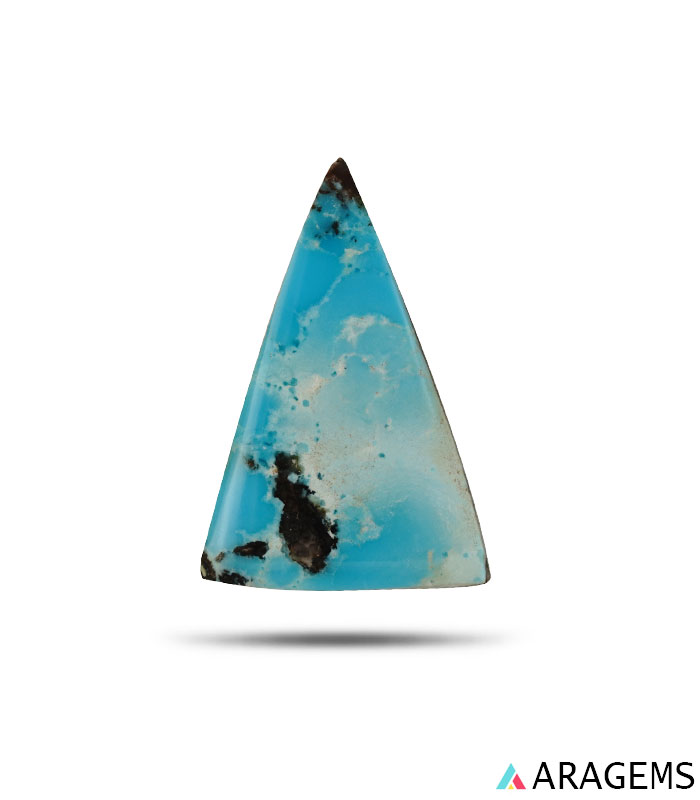
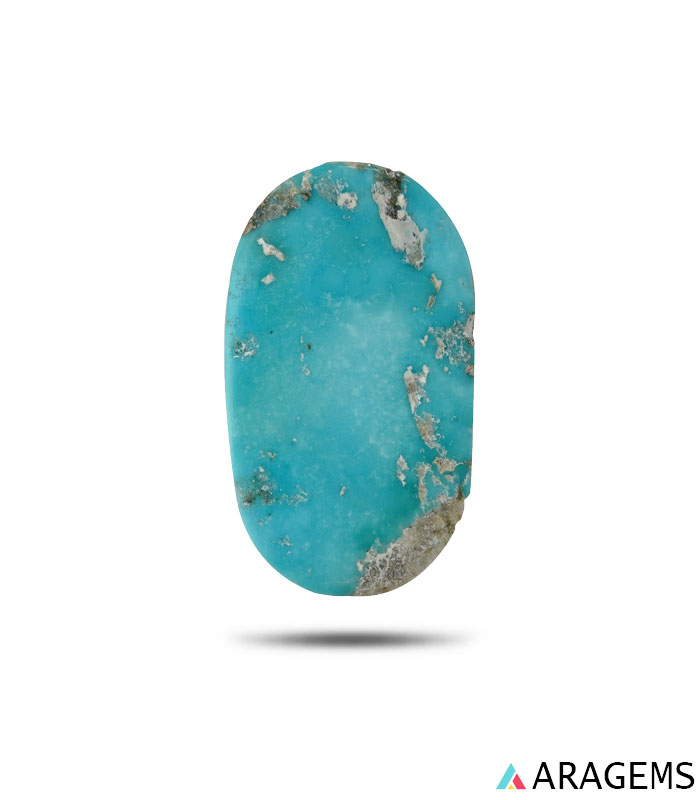
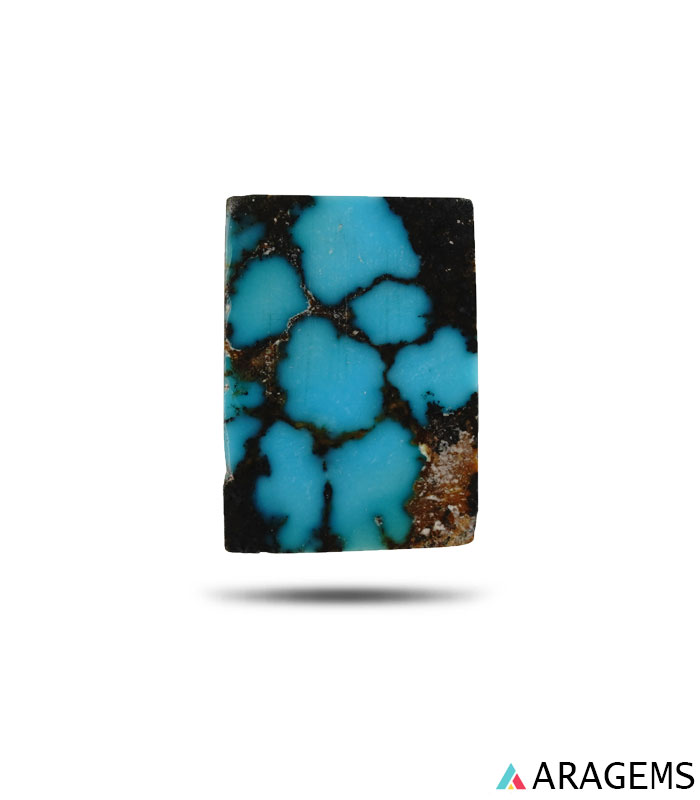
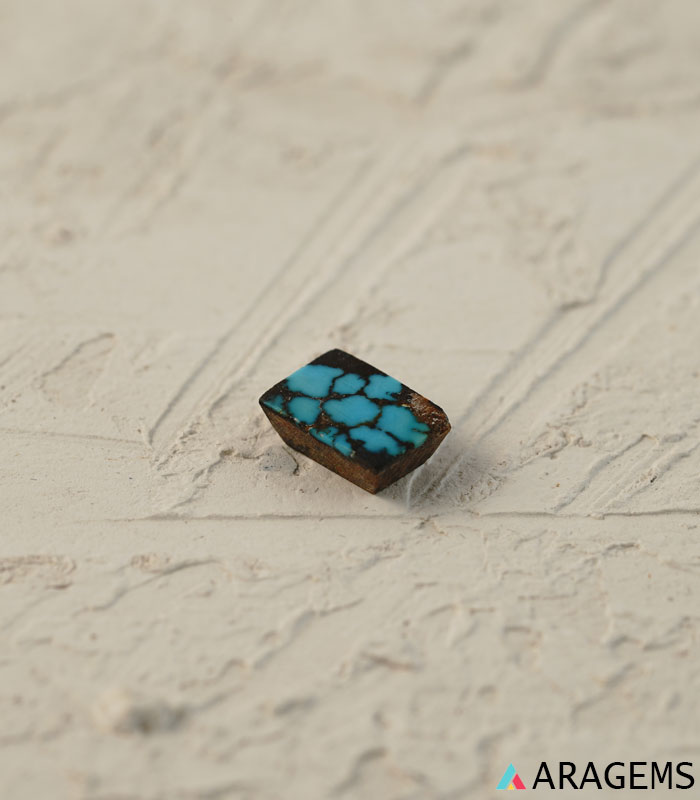
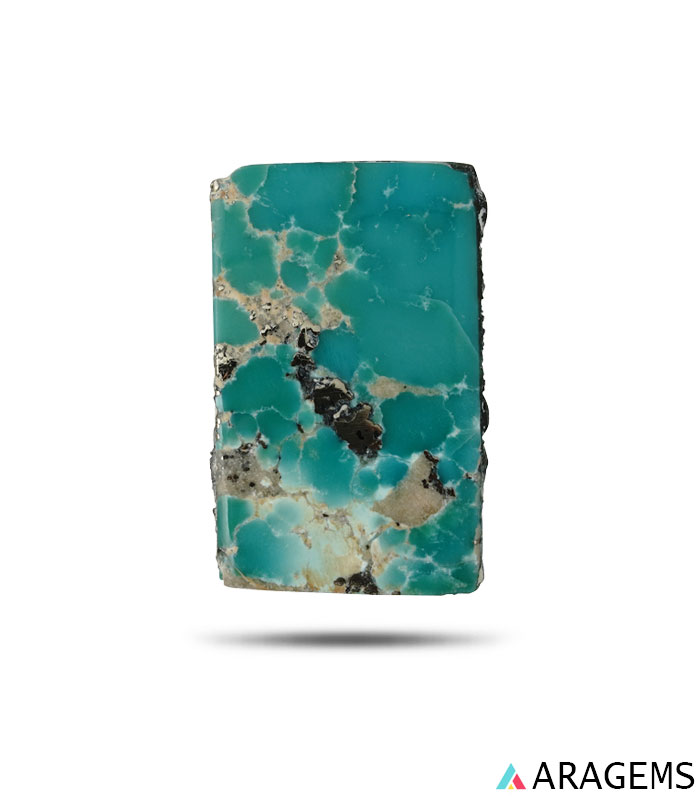
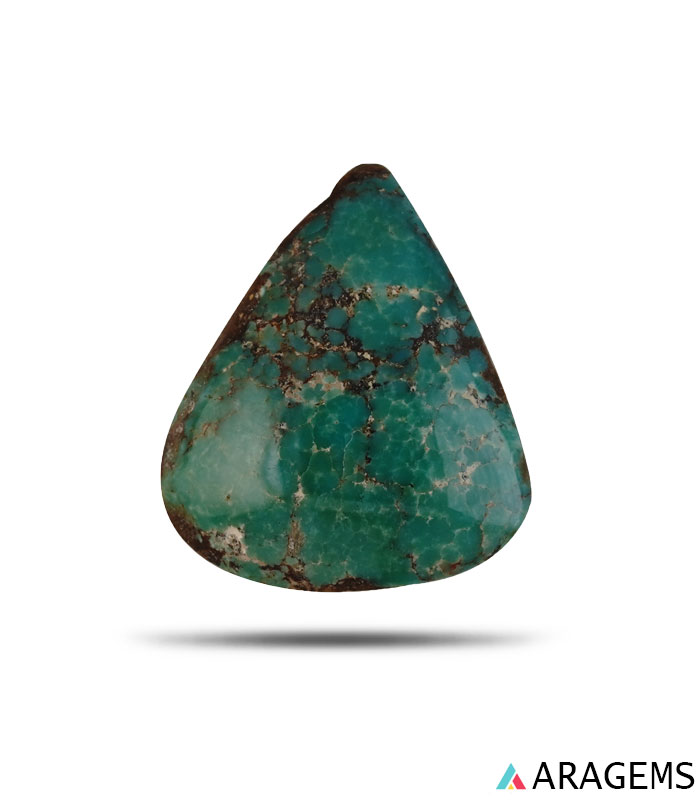
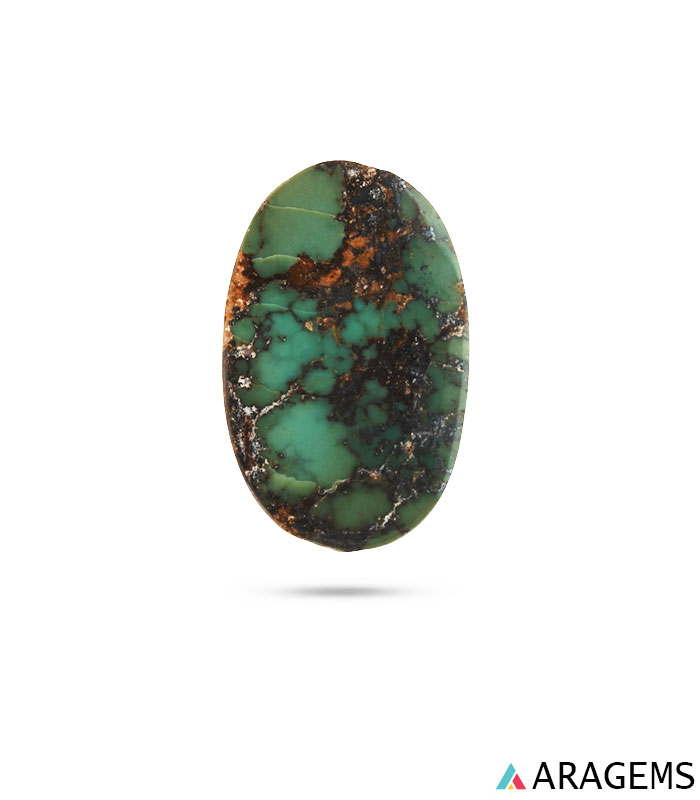
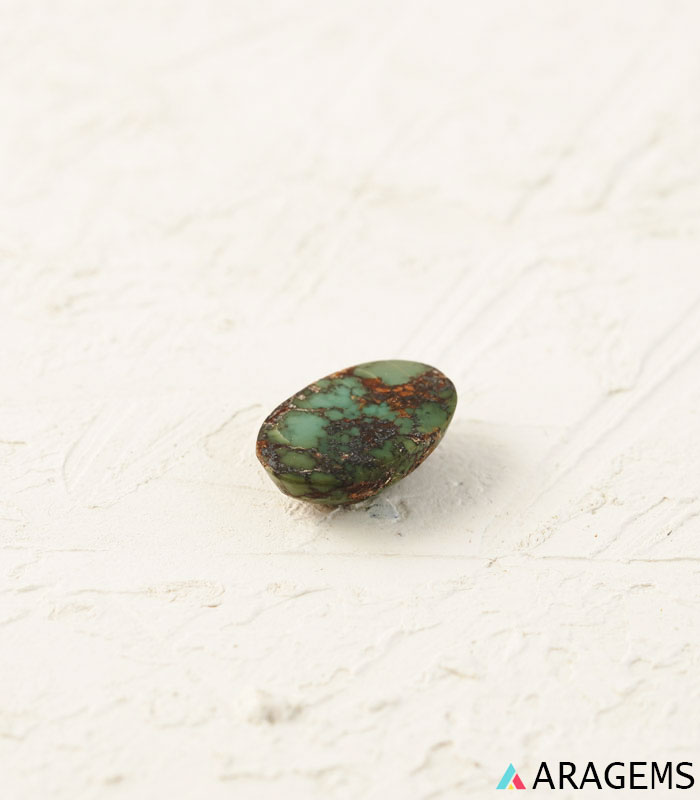
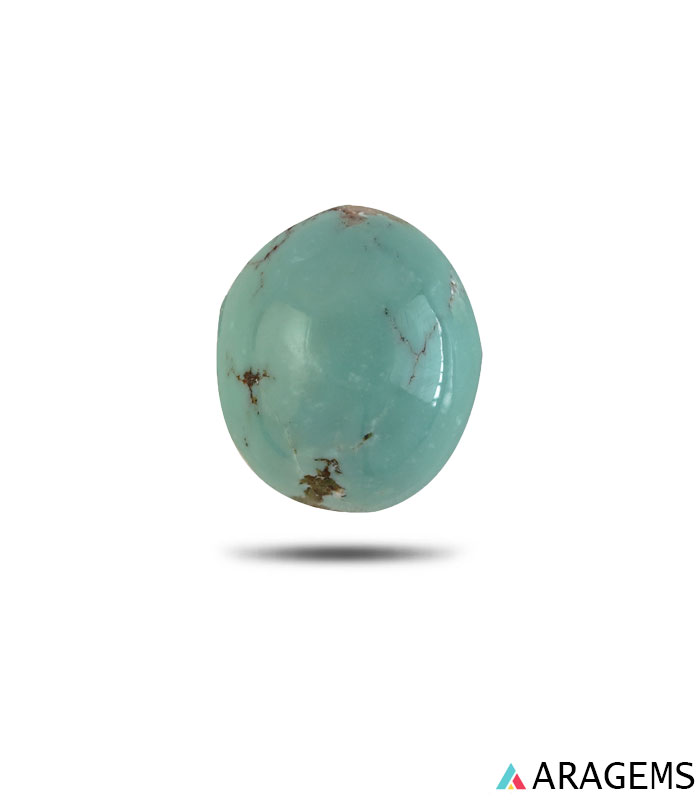
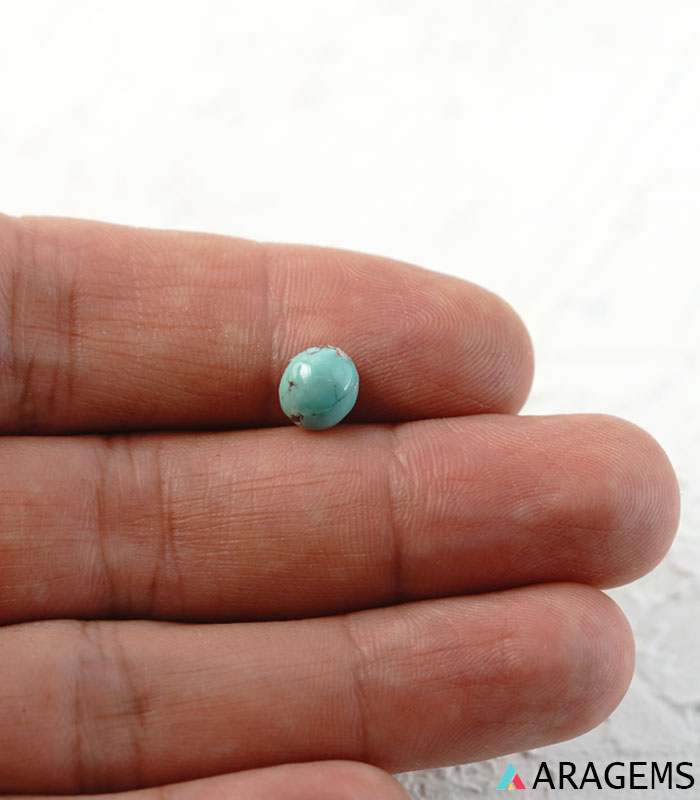
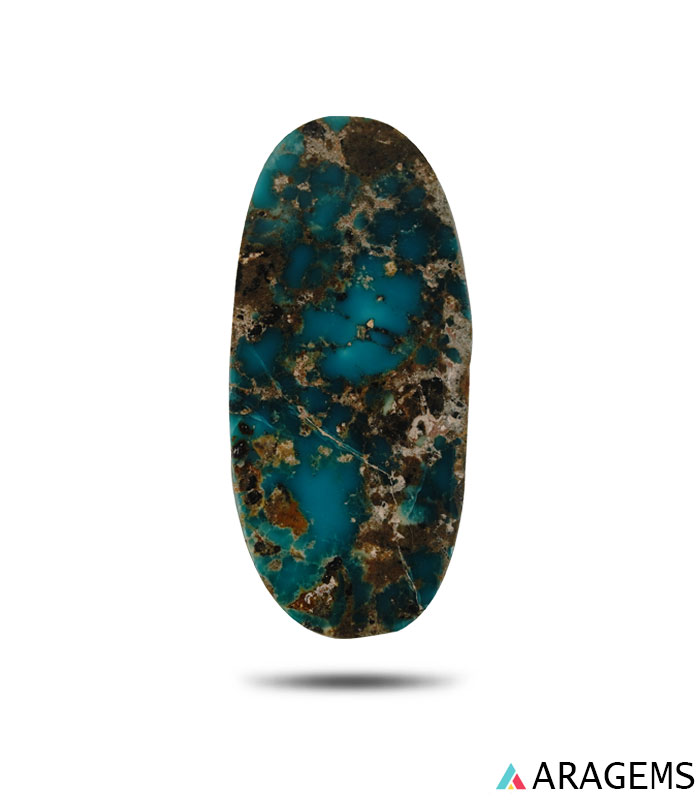
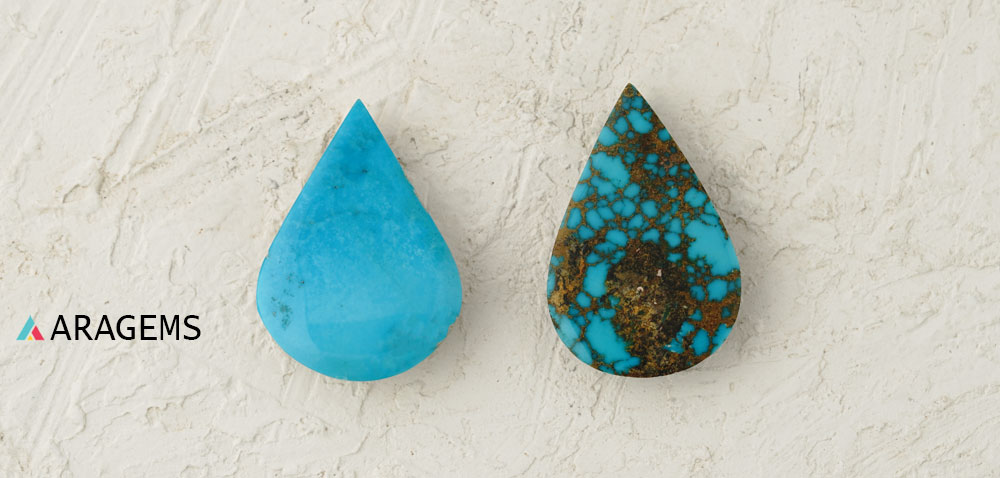
Persian turquoise, also referred to as Iran turquoise or Iranian turquoise stone, is a rare and highly prized variety of turquoise mined in Iran. Celebrated for its vivid blue shades, historical legacy, and superior quality, Persian turquoise has long been a symbol of prestige in both Eastern and Western cultures. This comprehensive guide explores the scientific background, geographic origins, classification types, and unique features of this ancient gemstone—highlighting why Persian turquoise remains one of the most valuable types of turquoise in the world.
What Is Persian Turquoise?
Persian turquoise is a naturally occurring hydrous phosphate of copper and aluminum, chemically classified as CuAl₆(PO₄)₄(OH)₈·4H₂O. It forms in arid regions through the weathering and oxidation of copper-rich rocks. What sets Persian turquoise apart is its high density, stable color, and reduced porosity, which contribute to greater durability and aesthetic appeal compared to turquoise from other regions. The term specifically applies to turquoise sourced from Iran, primarily from the historic Neishabour mines, as well as the Shahrbabak and Damghan regions. These deposits produce a wide range of colors, from pale green to deep sky blue, with the blue variety considered the most desirable.
Geographic Origins: Where Persian Turquoise Is Found
Iran is home to several major turquoise mining sites, each with its own mineralogical profile and visual characteristics:
Neishabour (Nishapur) Turquoise
Located in the Khorasan Province of northeastern Iran, the Neishabour turquoise mine is one of the oldest turquoise sources in the world, operational for over 2,000 years. It produces turquoise with a wide color range from green to intense blue, with blue stones being significantly more valuable. The mine yields both Ajami (solid blue, matrix-free) and Shajar (veined or webbed) varieties.
Shahrbabak Turquoise
Situated in Kerman Province, the Shahrbabak mines produce medium- to high-quality turquoise with varied matrix patterns. While not as renowned as Neishabour, Shahrbabak turquoise is increasingly recognized for its aesthetic diversity.
Damghan Turquoise
Located in Semnan Province, Damghan turquoise is typically greener in tone and may feature visible veining. Though less abundant and lesser known, it contributes to the overall classification of Persian turquoise. Among all sources, Neishabour turquoise is widely regarded as the finest in terms of color purity, historical significance, and gemological quality.
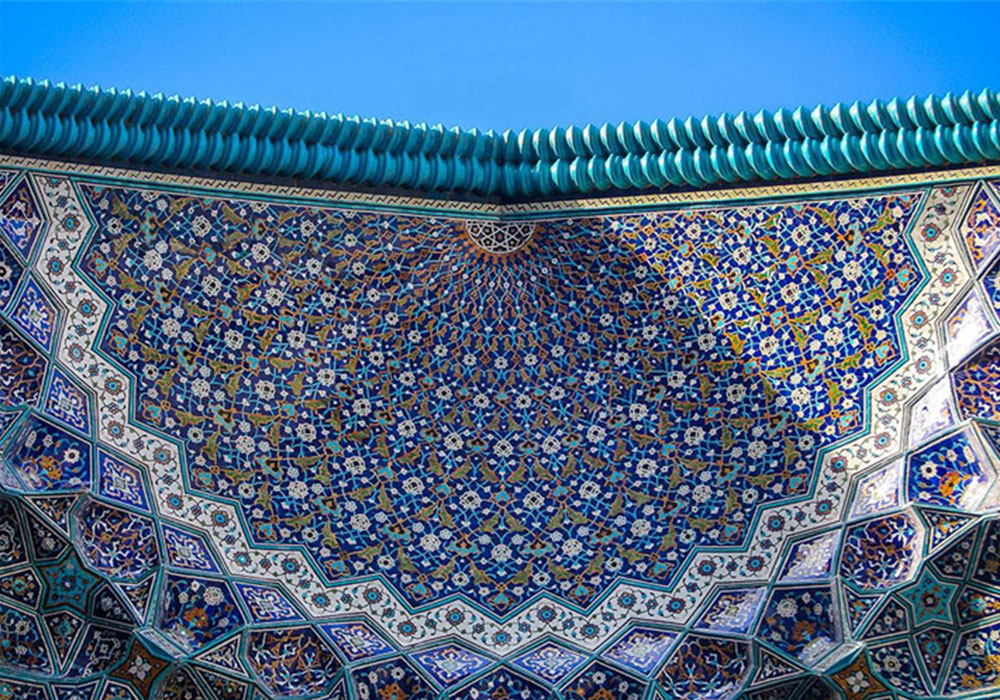
Persian turquoise has held cultural and spiritual significance for millennia. In ancient Persia, it was considered a symbol of protection, prosperity, and spiritual purification. The gemstone was used in royal ornaments, religious artifacts, and architectural embellishments, including the domes and interiors of mosques. During the Silk Road era, Persian turquoise was extensively traded, influencing jewelry design from India and the Middle East to Europe and North Africa. It was especially favored by Mughal emperors and Ottoman sultans, contributing to its global fame.
Types of Persian Turquoise: Ajami vs. Shajar
Ajami Turquoise
Ajami (also spelled Ajamei) turquoise is highly sought-after for its uniform, vivid blue color and absence of matrix. This matrix-free quality makes it ideal for fine jewelry and is comparable—if not superior—to the renowned Sleeping Beauty turquoise from the United States. Following the closure of the Sleeping Beauty mine, Ajami turquoise from Neishabour is now considered the finest alternative in the global market.
Shajar Turquoise
Shajar (or veined) turquoise displays intricate natural matrix patterns, which can range from brown and black to golden hues. These veins result from the host rock in which the turquoise forms. While generally less expensive than Ajami, Shajar turquoise has strong visual appeal and is often used in statement jewelry for its one-of-a-kind patterns.
What Makes Persian Turquoise Unique?
Several scientific and aesthetic qualities distinguish Persian turquoise from other global sources:
High Density and Low Porosity: Persian turquoise has a denser structure, making it more durable and less prone to color fading or chemical damage.
Color Range and Stability: Iranian turquoise ranges from pale green to deep blue, but the blue varieties are more stable and valuable due to higher copper content and lower iron content.
Minimal Treatment: High-grade Persian turquoise is often used without stabilization or dyeing, unlike many American or Chinese turquoise stones.
Historical Prestige: With more than two millennia of documented use, Persian turquoise is one of the most historically and culturally significant gemstones in the world.
Conclusion
From ancient royal courts to modern artisan jewelry, Persian turquoise continues to captivate gem enthusiasts and collectors with its vibrant hues, geological rarity, and unmatched legacy. Among the various mining regions, Neishabour turquoise stands out as the oldest, most prestigious, and highest-quality source—making it a cornerstone of authentic Persian turquoise. Whether you are a gemologist, collector, or simply a lover of natural beauty, understanding the science and story behind Iranian turquoise stone offers a deeper appreciation for one of nature’s most iconic blue gemstones.