Types of Turquoise: A Complete Guide to Turquoise Varieties and Colors
Turquoise is one of the world’s most celebrated gemstones, admired for its vibrant shades of blue and green, its cultural heritage, and its use in fine jewelry. Across centuries, turquoise has been associated with protection, wisdom, and beauty. But not all turquoise is the same—its color, matrix, and origin can greatly influence its rarity and value.
In this article, we will explore the different types of turquoise, their varieties, colors, and characteristics, with a focus on both traditional and rare kinds. Whether you are a gemstone enthusiast, a collector, or simply curious about turquoise jewelry, this guide will help you understand the fascinating world of turquoise gemstones.
What Defines the Types of Turquoise?
Before diving into the list of turquoise varieties, it is important to know what makes each type unique. Several factors influence how we classify turquoise stones:
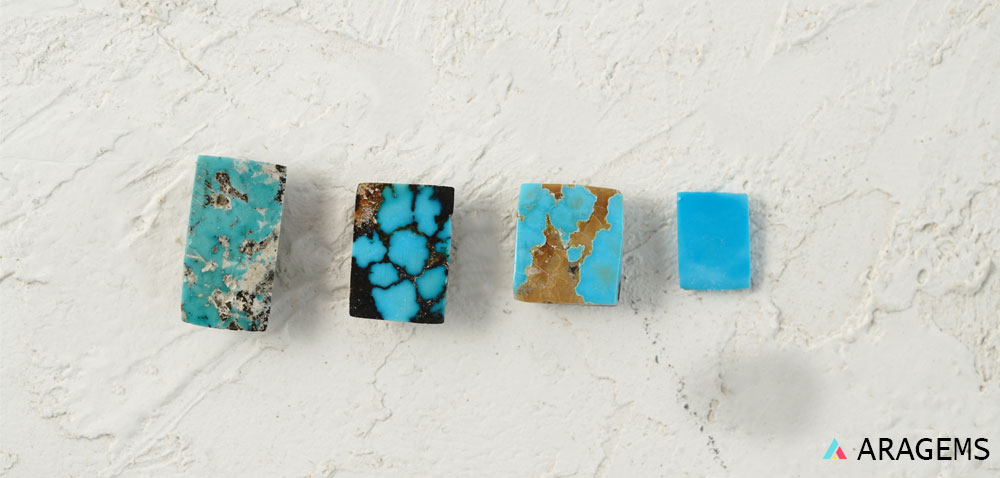
- Color: ranging from sky blue to deep green.
- Matrix pattern: the dark web-like or spotted inclusions often seen in turquoise.
- Origin: the geographic source, such as Iran, the U.S., Egypt, or China.
- Treatment: whether the stone is natural, stabilized, or enhanced.
Main Types of Turquoise Stones
1. Persian Turquoise (Iranian Turquoise)
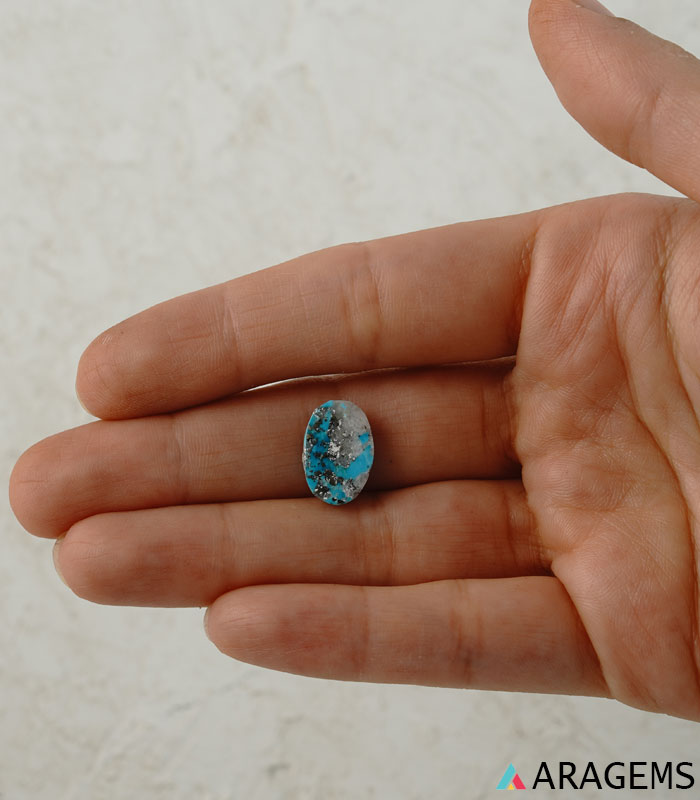
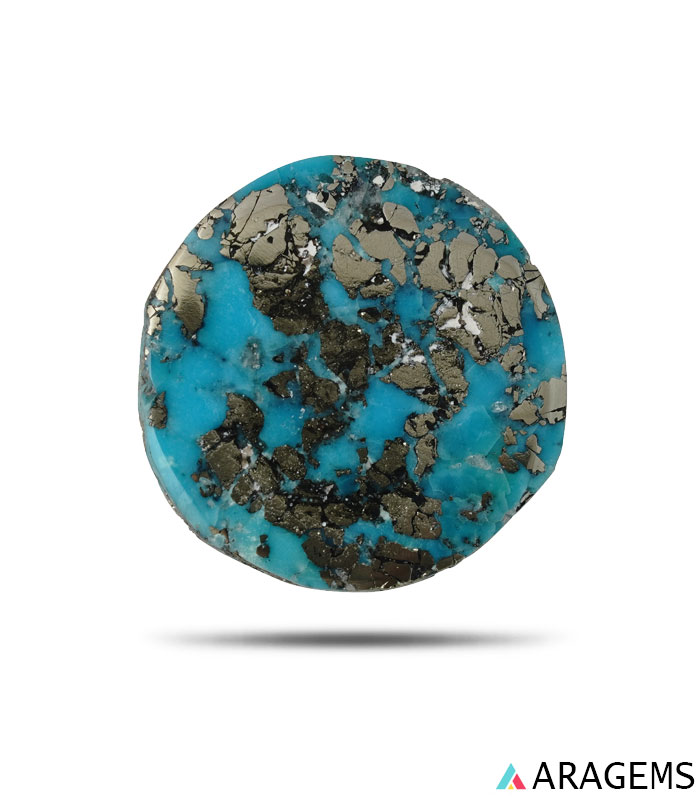
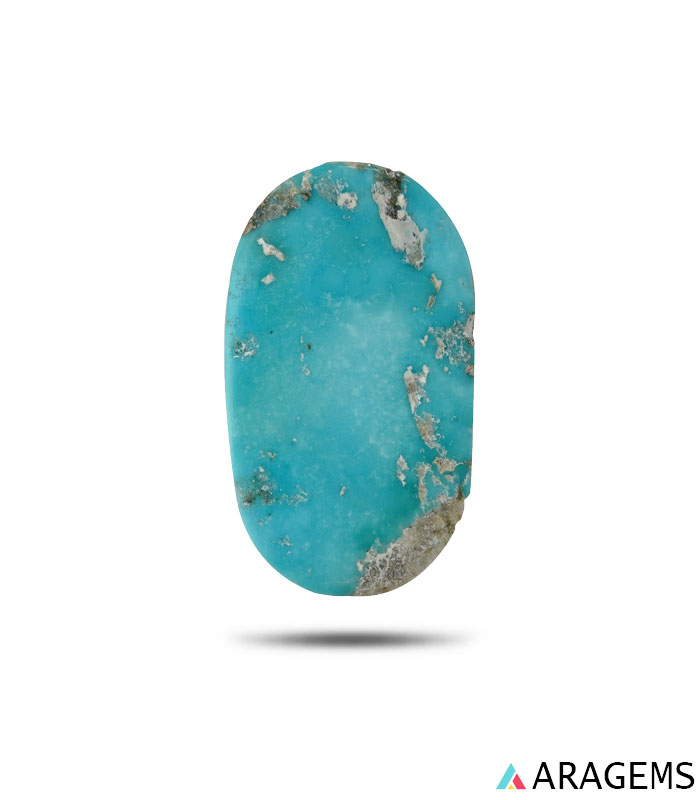
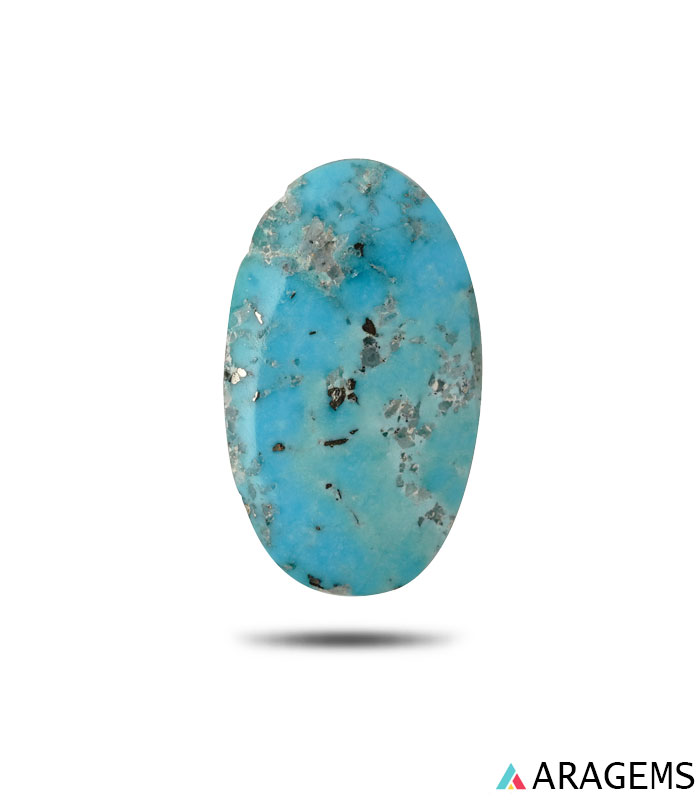
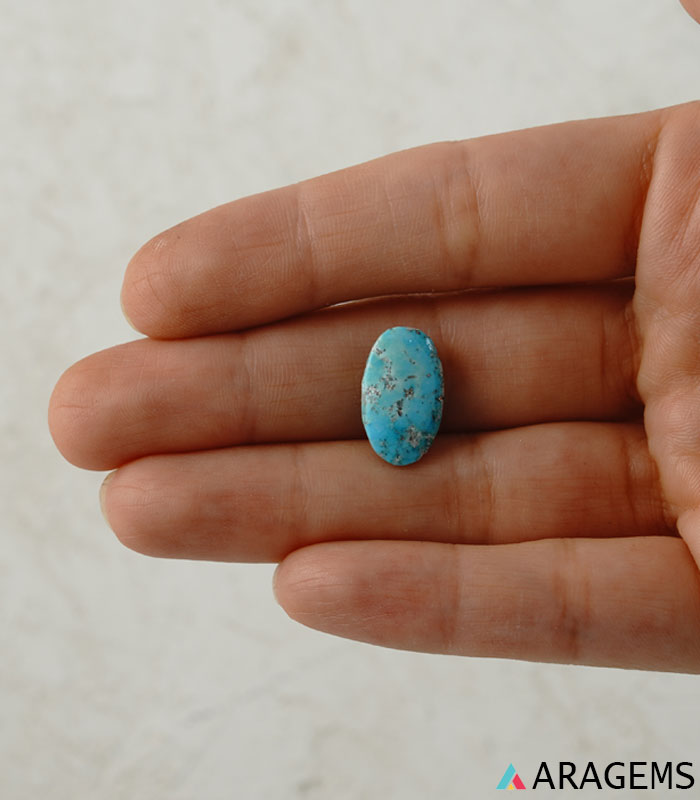
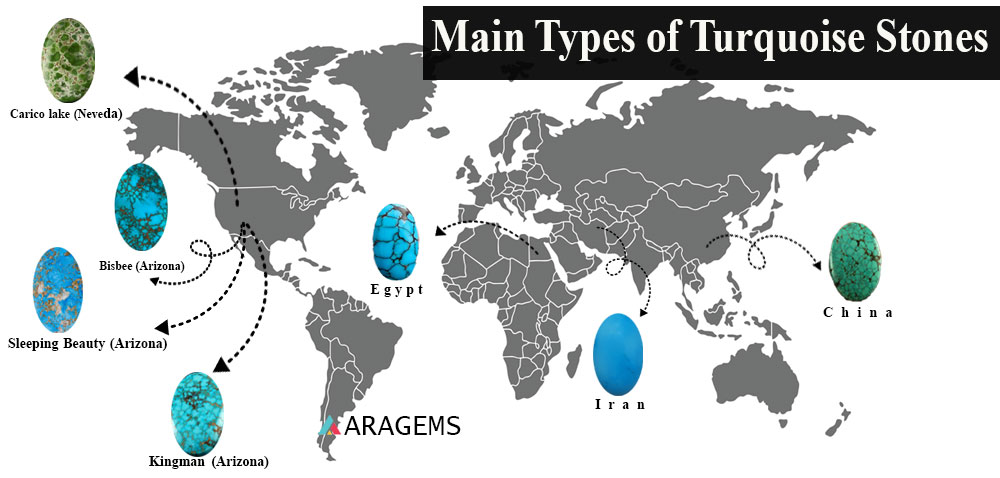
Persian turquoise, especially from Nishapur in Iran, is considered the finest turquoise in the world. Known for its rich sky-blue color and minimal matrix, this type is highly valued and often used in luxury jewelry. Unlike many other deposits, Iranian turquoise is frequently untreated, which increases its desirability among collectors.
👉 For an in-depth look, you can explore more about [Nishapur turquoise] or [Iranian turquoise].
2. American Turquoise Varieties
The U.S. is home to several famous turquoise mines, each producing distinctive stones:
- Sleeping Beauty Turquoise (Arizona): prized for its pure robin’s egg blue without matrix.
- Kingman Turquoise (Arizona): known for its vibrant blue with a variety of black and brown matrix patterns.
- Bisbee Turquoise (Arizona): highly sought after for its deep blue shades and chocolate-brown matrix.
- Carico Lake Turquoise (Nevada): often greenish in tone, sometimes with unique lime-green shades.
These types of American turquoise are among the most collected worldwide.
3. Egyptian Turquoise
Egyptian turquoise has an ancient legacy, dating back to the time of the Pharaohs. Typically, it comes in greenish-blue hues with more pronounced matrix lines. While not as vivid as Persian turquoise, its historical significance makes it popular.
4. Chinese Turquoise
China has supplied turquoise for centuries, producing stones in a wide range of colors—from pale blue to rich green. Many Chinese turquoise stones are stabilized to enhance durability, which makes them affordable for everyday jewelry.
5. Rare and Collectible Types of Turquoise
Some turquoise varieties are considered rare and are especially valuable to collectors:
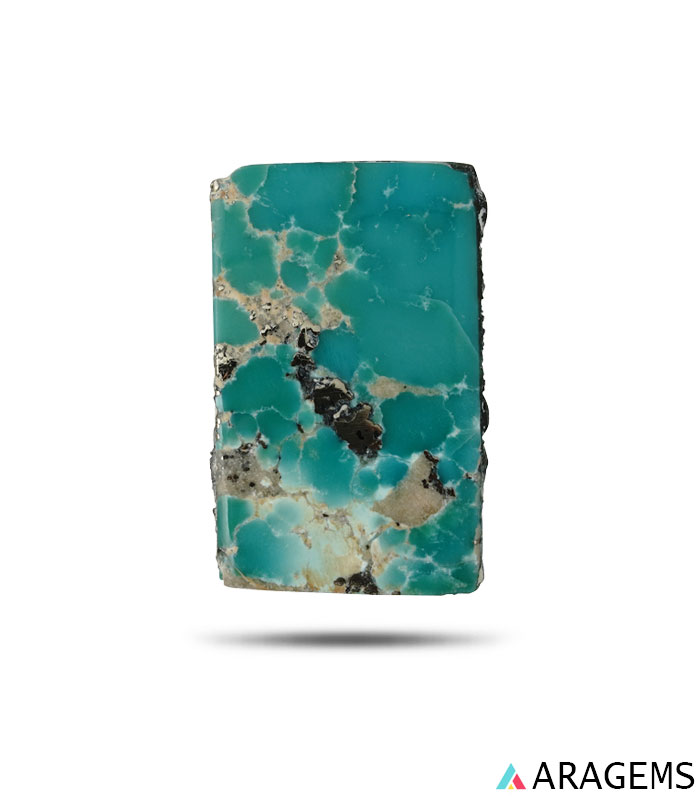
- Spiderweb Turquoise: features a fine web-like matrix pattern.
- Lander Blue Turquoise (Nevada): one of the rarest and most expensive kinds of turquoise, with a deep blue color and black spiderweb matrix.
- Number Eight Turquoise (Nevada): recognizable for its golden to reddish-brown matrix.
- Turquoise Mountain (Arizona): often found in both green and blue shades, with intricate webbing.
These rare types of turquoise can command very high prices depending on quality.
Types of Turquoise by Color
Blue Turquoise
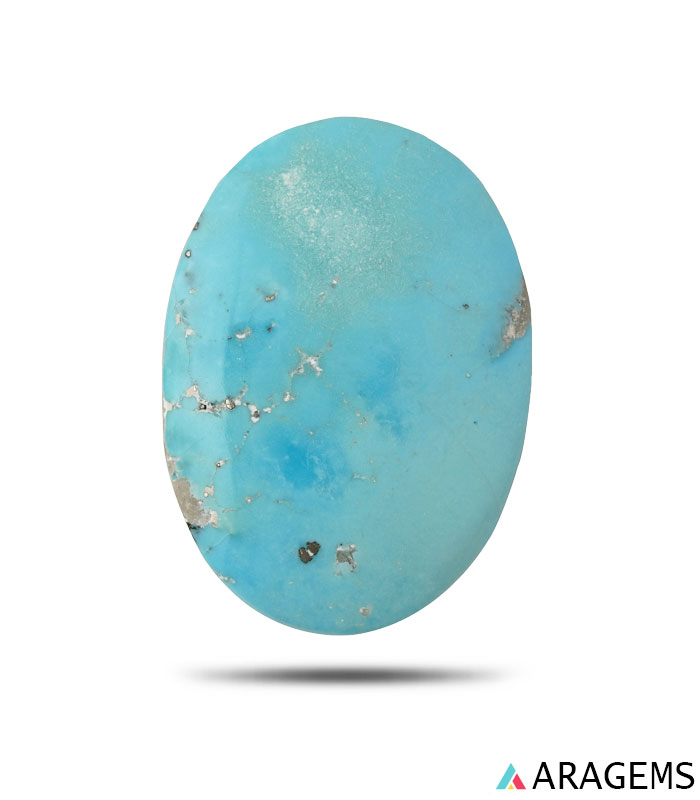
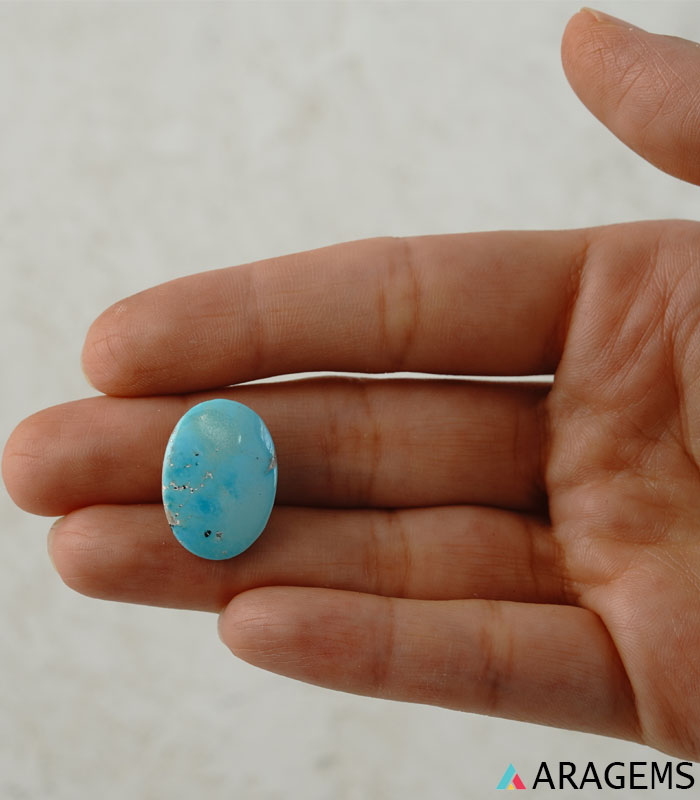
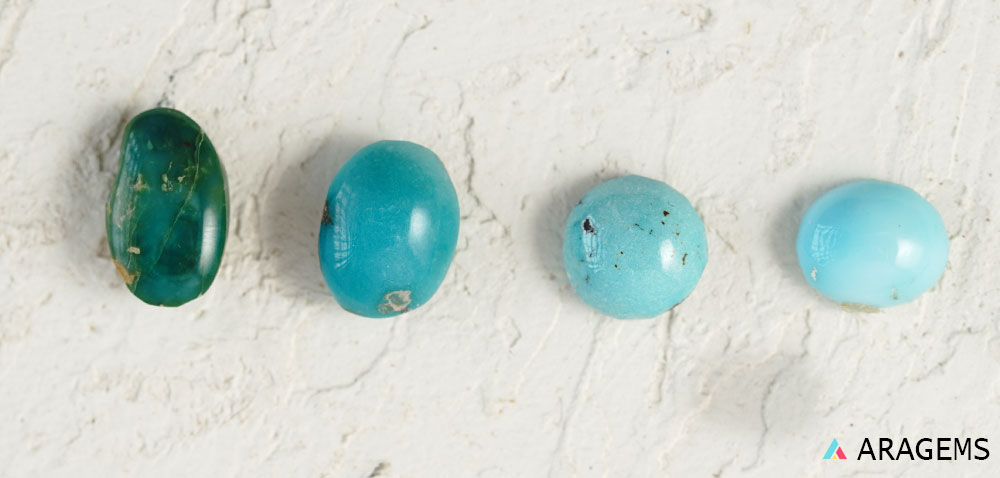
The classic and most desirable color, often referred to as “Persian blue” or “robin’s egg blue.” High-quality types of blue turquoise are found in Iran, Arizona, and Nevada.
Green Turquoise
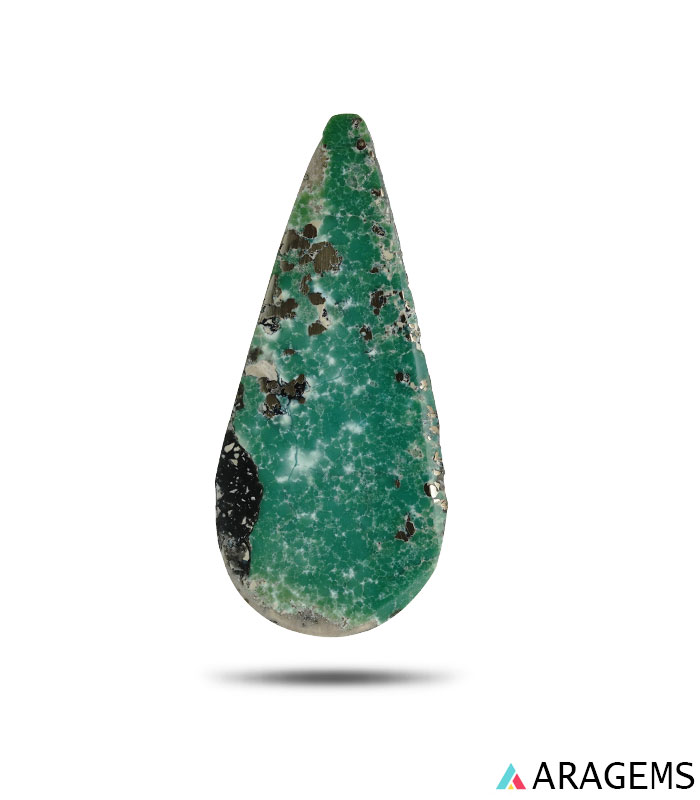
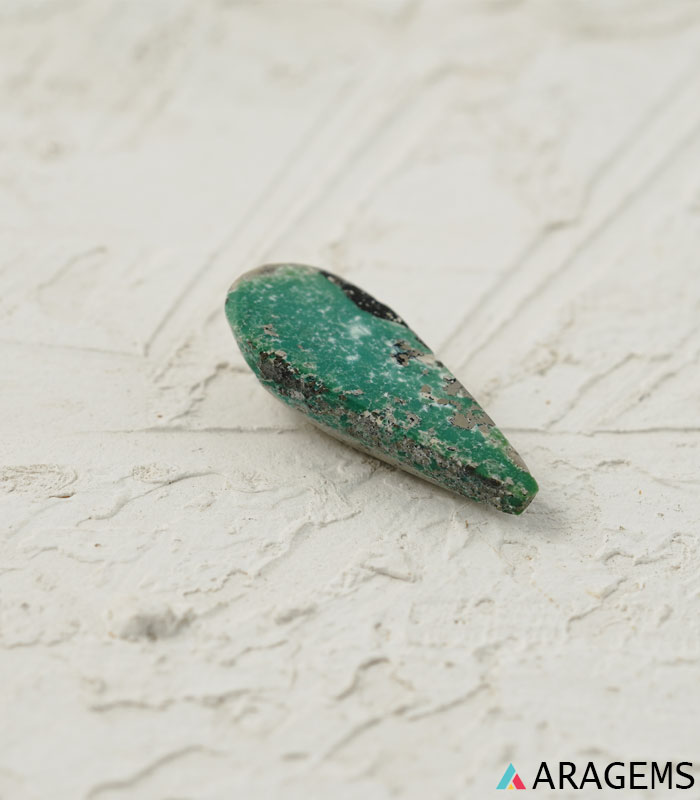
Ranging from soft mint to deep olive, types of green turquoise are often linked to higher iron content. Carico Lake and some Iranian deposits are famous for their green hues.
Mixed Shades and Matrix Patterns
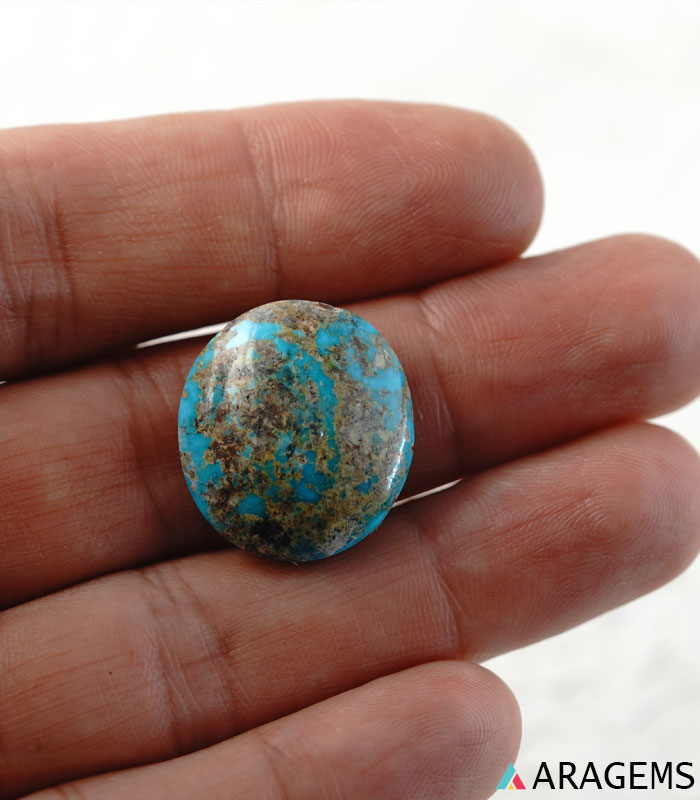
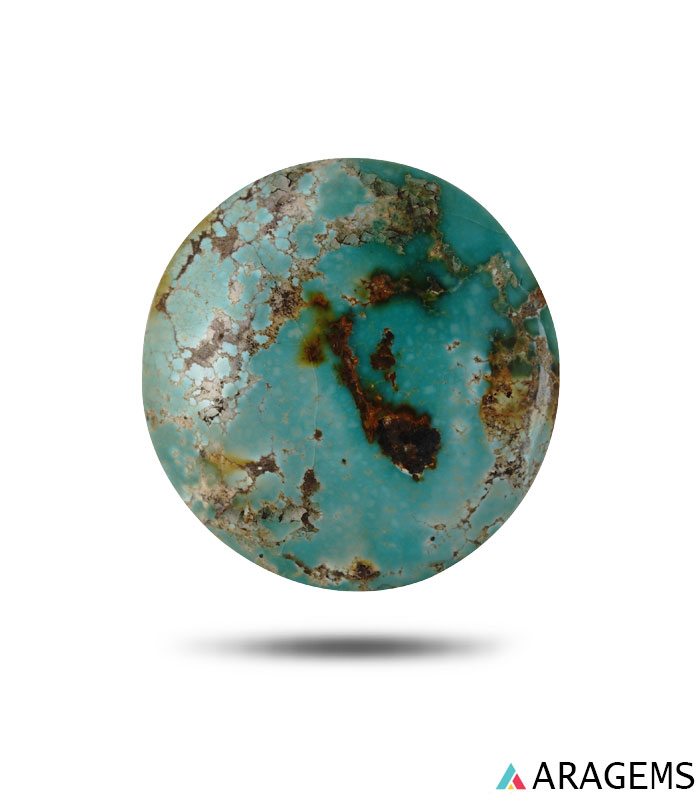
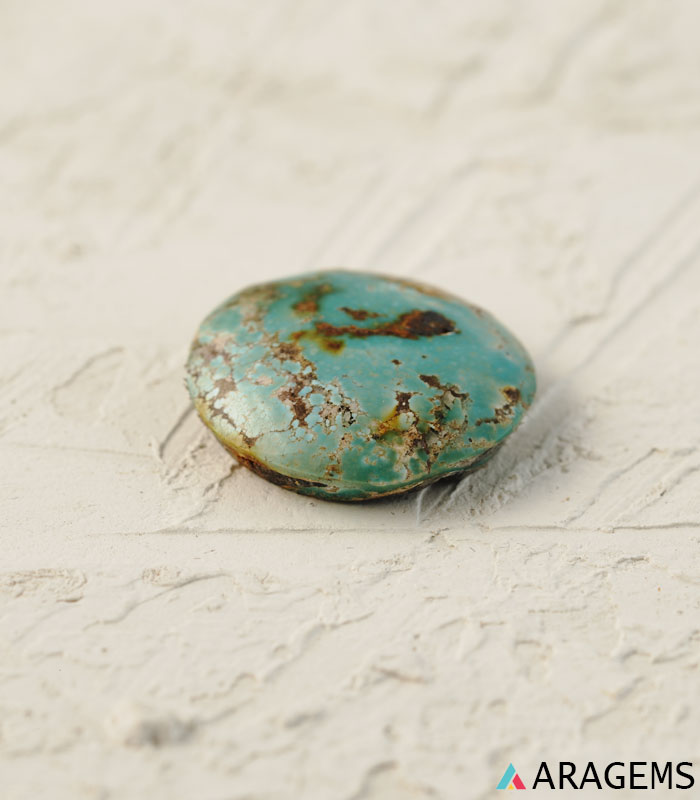
Some stones display a mix of blue and green with bold matrix lines, making them unique. Collectors often look for stones with balanced color and appealing patterns.
Natural vs. Treated Turquoise Stones
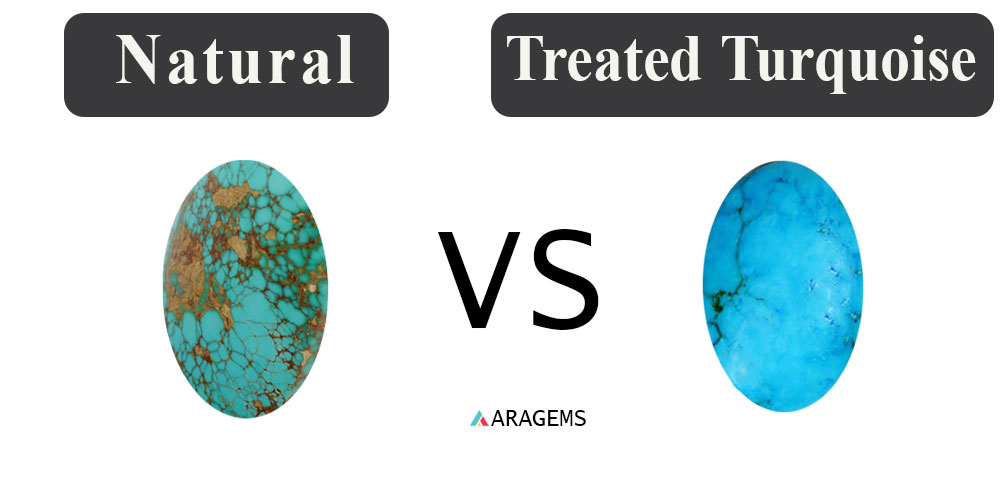
When discussing different kinds of turquoise stones, it is essential to note that not all stones on the market are untreated. The main categories include:
- Natural Turquoise: untouched, with original color and matrix.
- Stabilized Turquoise: resin-treated for durability.
- Reconstituted Turquoise: made from turquoise powder, less valuable.
At Aragems, only 100% natural turquoise is used—without any treatments or enhancements—ensuring authenticity and quality.
Turquoise: Cultural and Global Value
From Native American jewelry to Persian royal adornments, turquoise has been revered across civilizations. Different cultures valued specific turquoise types and colors:
- Persians favored pure sky blue.
- Egyptians admired greenish turquoise.
- Native Americans used spiderweb turquoise in ceremonial jewelry.
These cultural associations also shape today’s market preferences.
Conclusion
Turquoise is not a single stone but a universe of shades, patterns, and origins. From the legendary Persian turquoise to the rare Lander Blue, the different types of turquoise each hold their own beauty and story. Whether you are drawn to the pure blue of Sleeping Beauty, the green tones of Carico Lake, or the historical charm of Egyptian turquoise, this gemstone offers endless variety.
For those seeking authenticity and natural beauty, Iranian turquoise remains the pinnacle choice, combining timeless elegance with cultural depth.